The General Assembly of the NAS of Belarus held a session at the Academy of Sciences
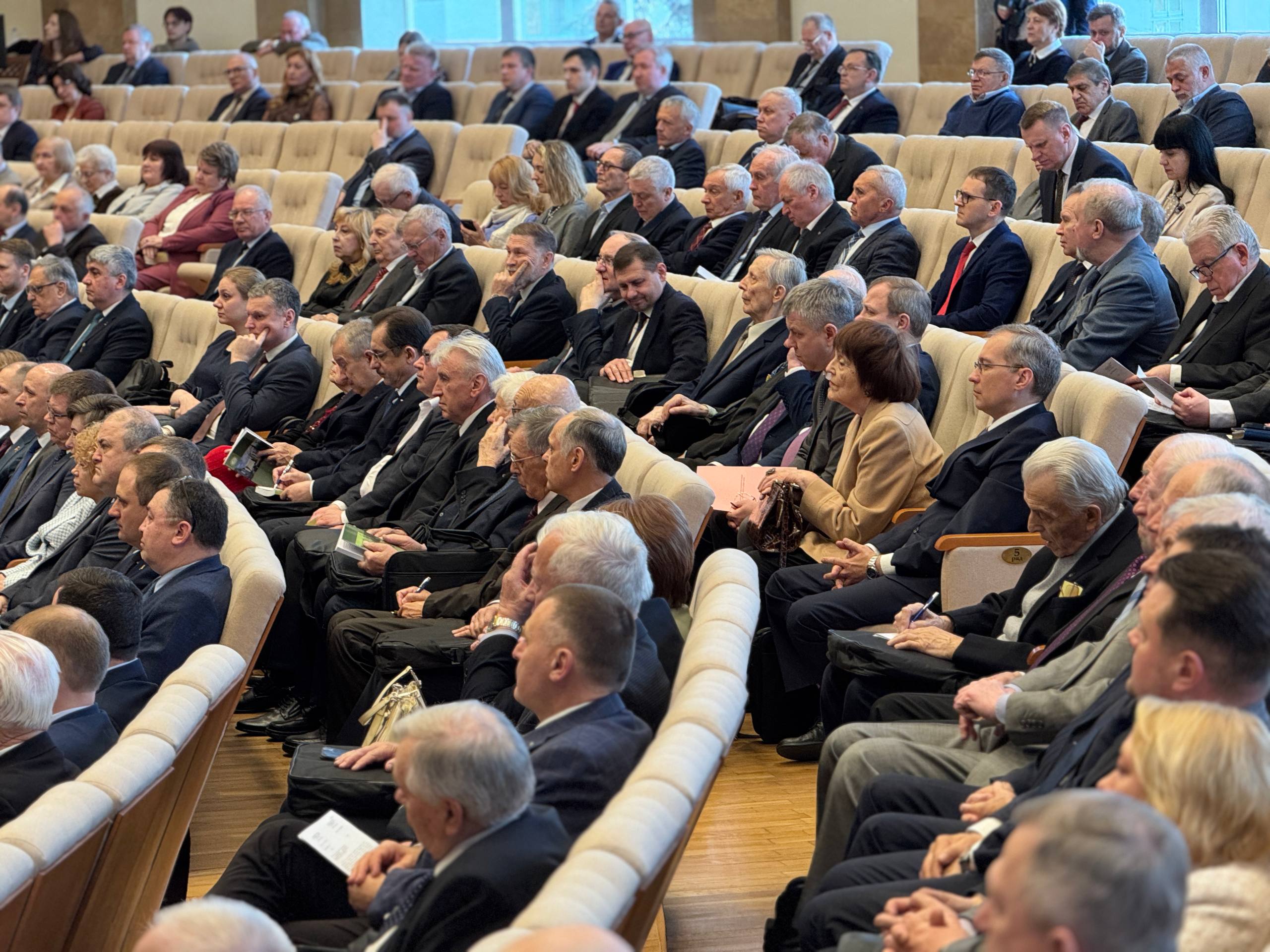
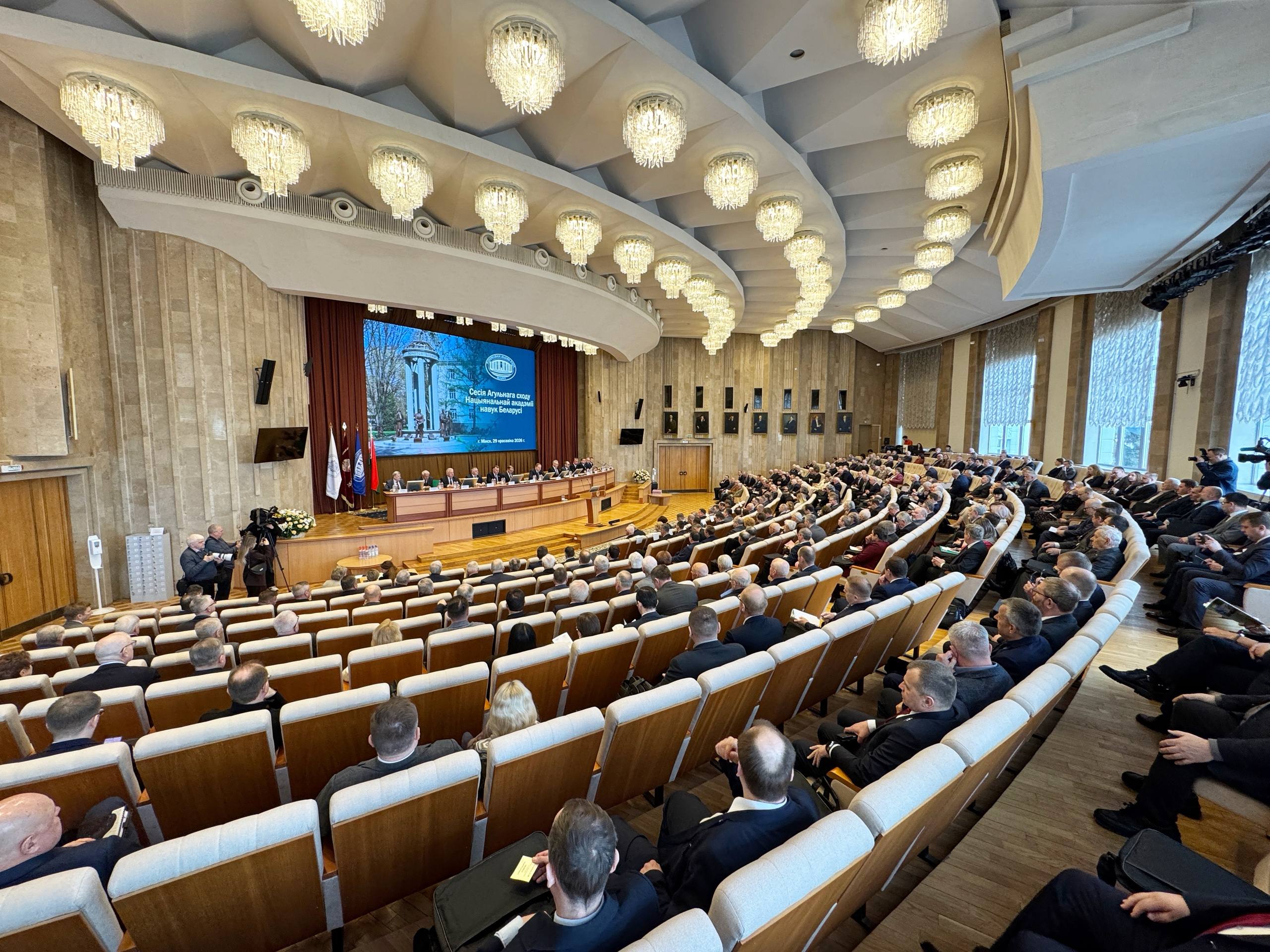
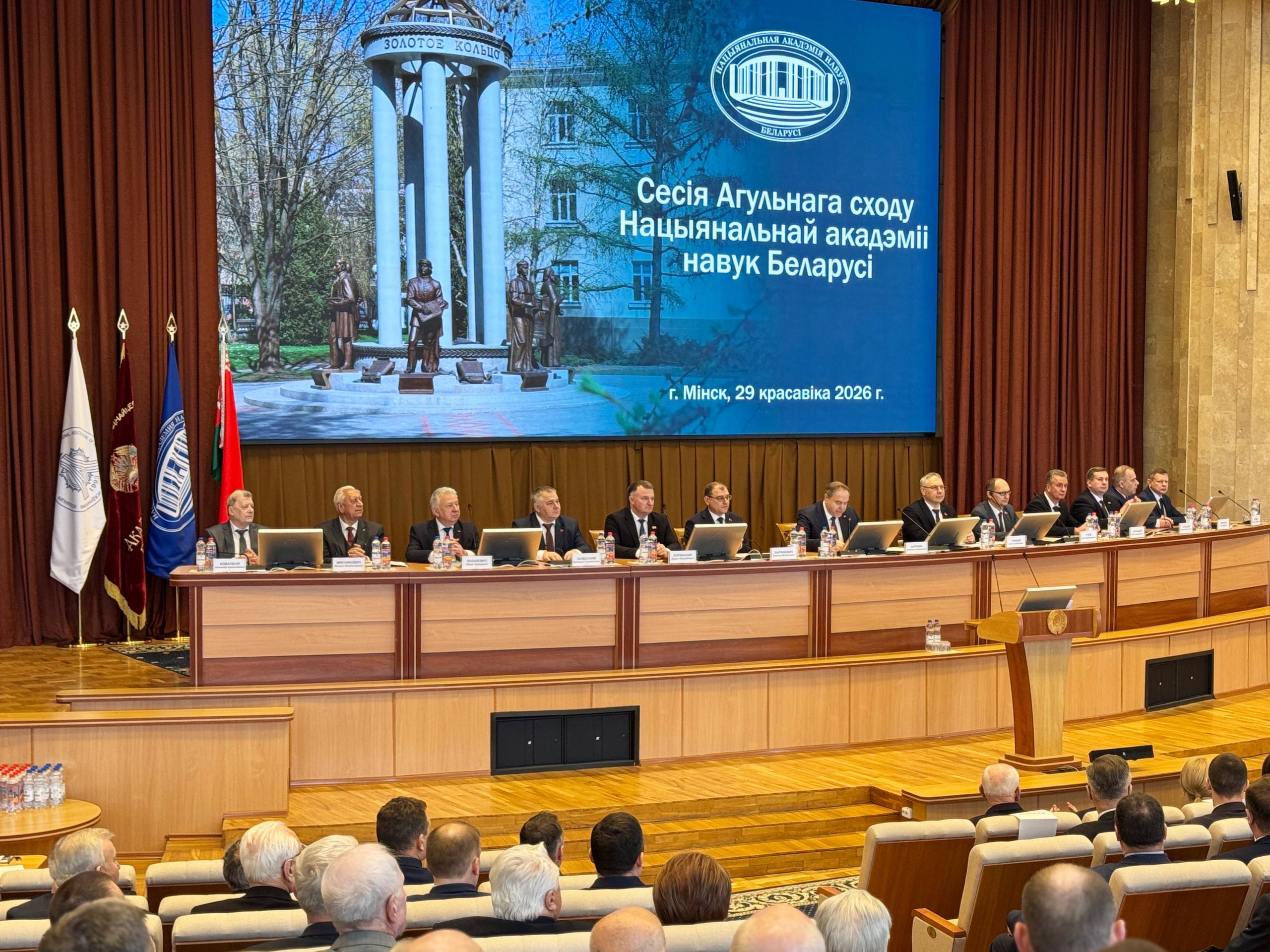
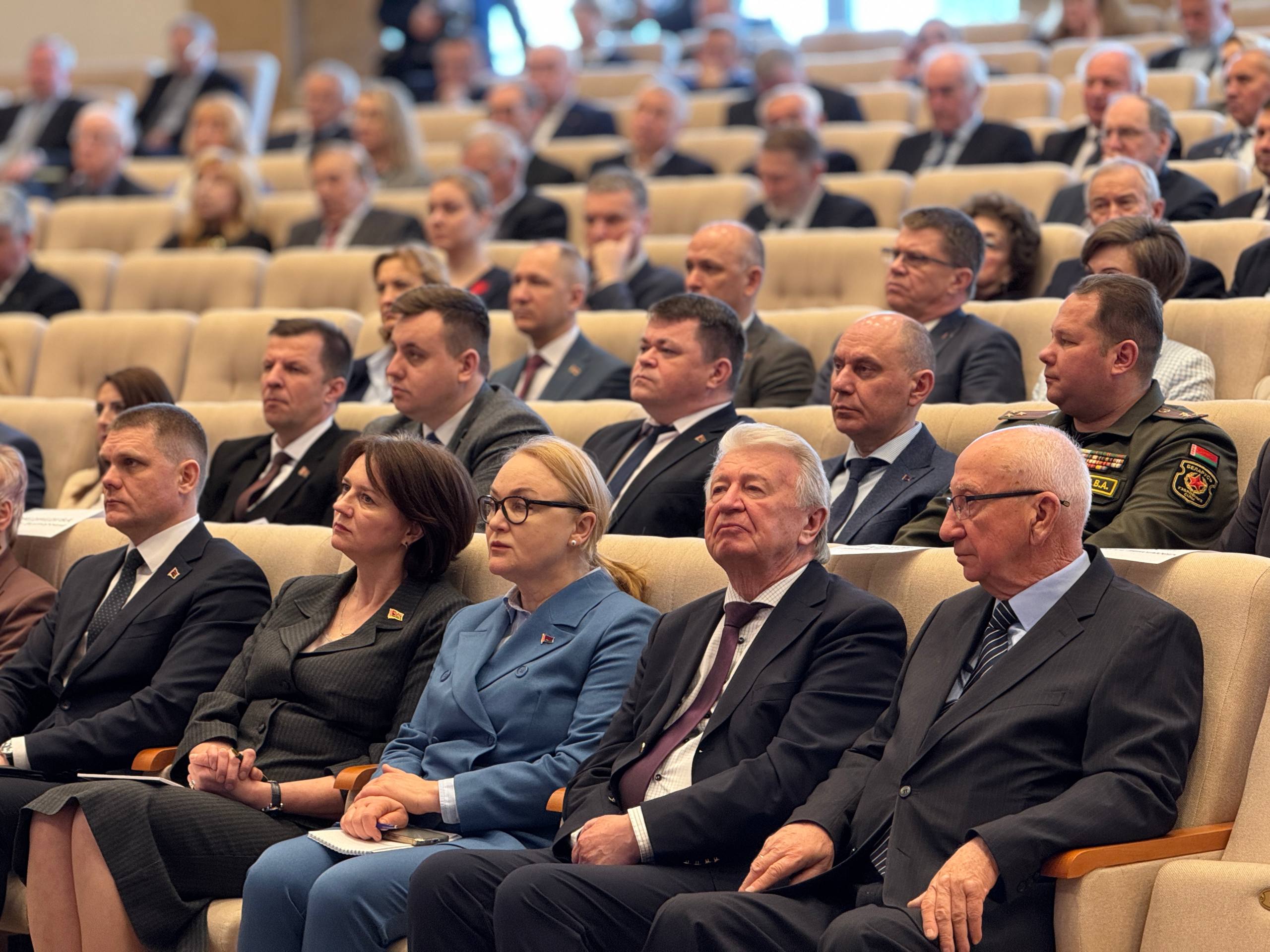
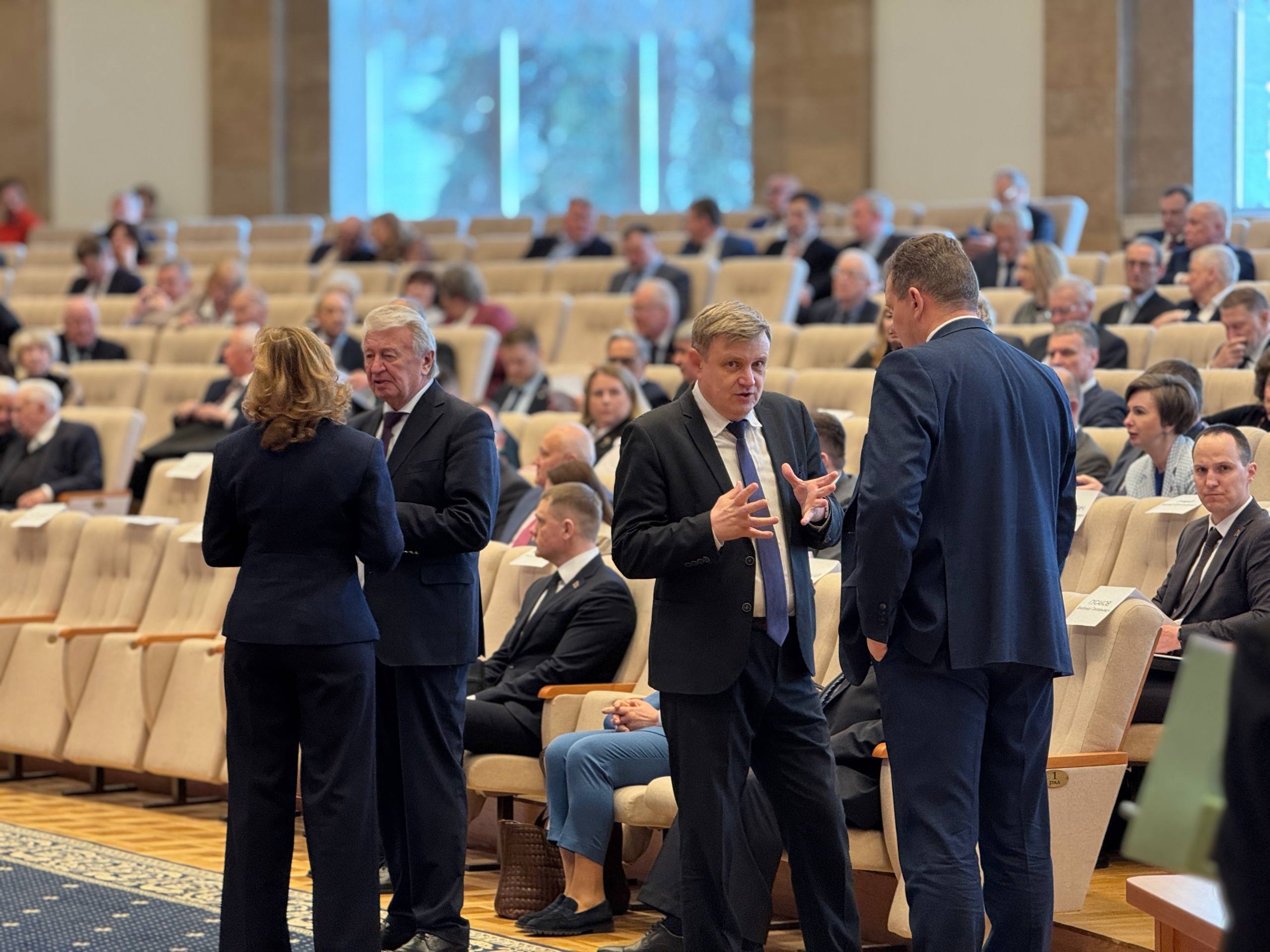
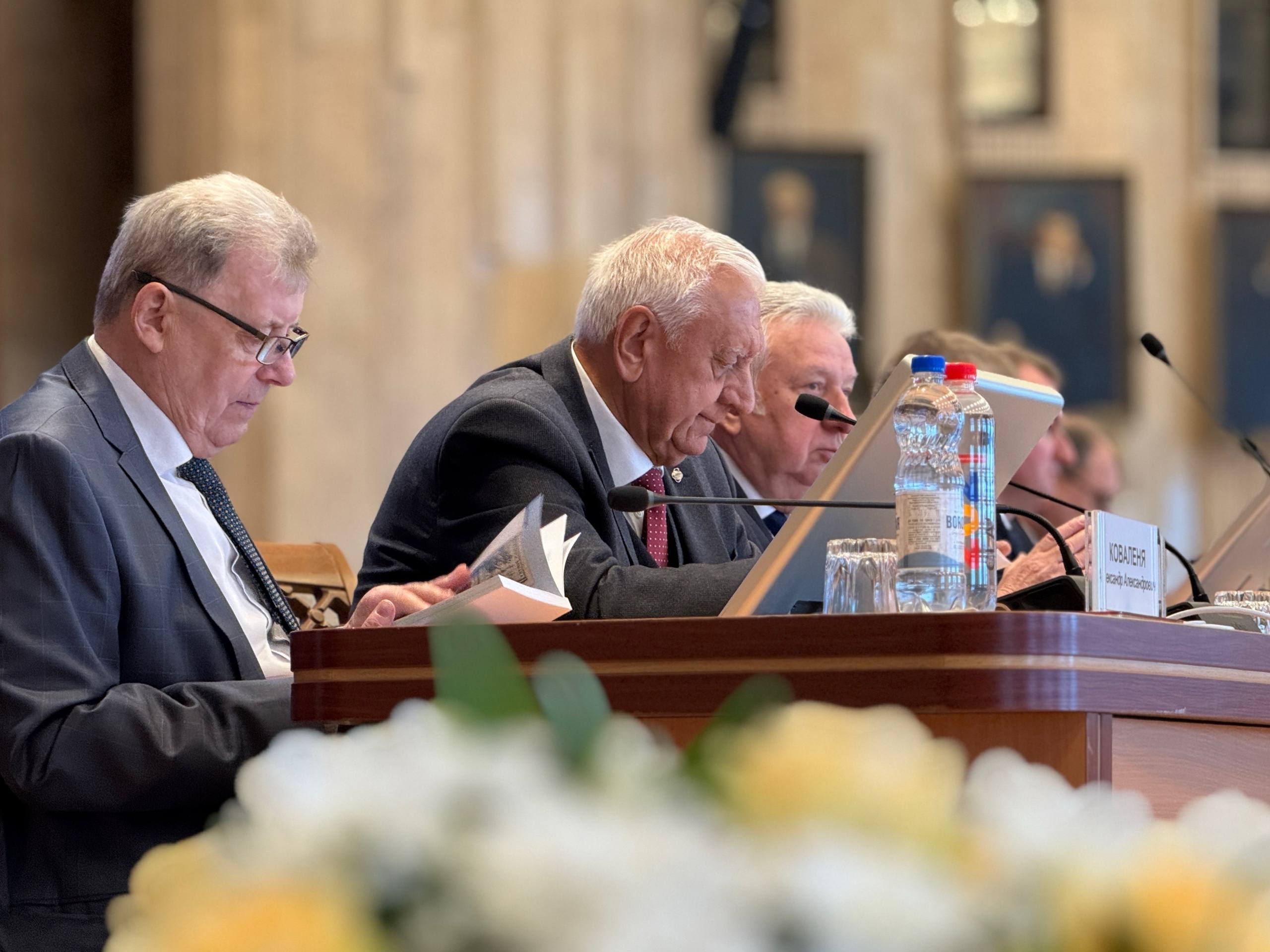
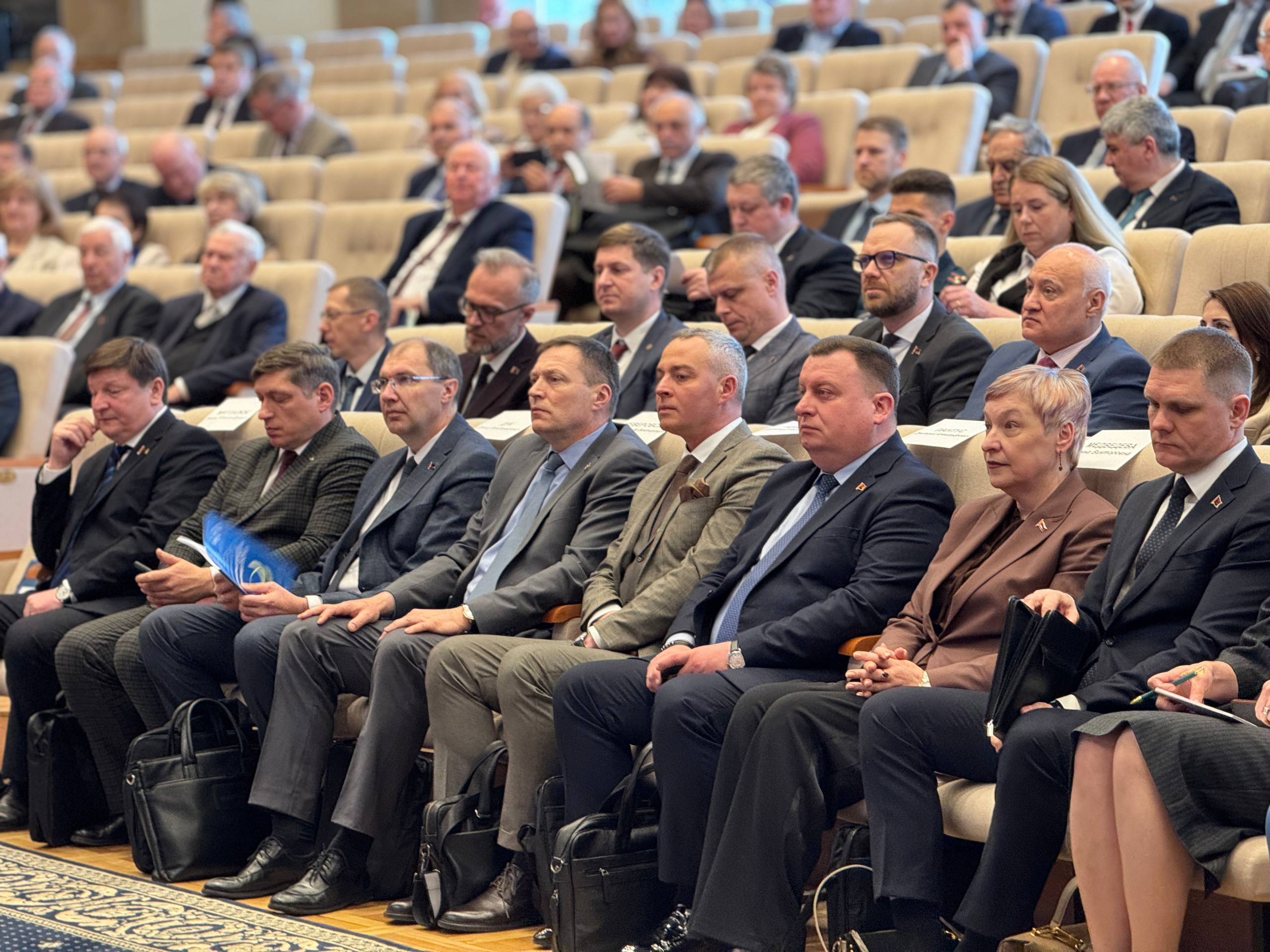
Today, the Academy of Sciences held a session of the General Assembly of the NAS, attended by approximately 250 representatives of academic, university, and industry research, as well as government agencies. The agenda included two items: a report on the activities of the NAS of Belarus in 2025 and the definition of objectives for 2026, as well as amendments to the Academy's Charter.
Vladimir Karanik, Chairman of the Presidium of the NAS, addressed the guests and participants of the session with a welcoming address. He noted that the general approaches adopted today will enable the implementation of all outlined plans as quickly and efficiently as possible and will ensure our country's technological sovereignty. He added that all programs developed for the next five years are closely aligned with the country's socioeconomic development program.
"Priority needs to shift to technologies that benefit the entire economy. It's no secret that these technologies enable the country to remain at the forefront of the global race and avoid technological gap," said Vladimir Karanik.
The head of the Academy of Sciences also discussed in detail the key tasks that the National Academy of Sciences of Belarus will focus on in the near and medium term. These include:
interaction and cooperation between scientific organizations and interested organizations in the real sector of the economy to accelerate the development of scientific research from concept to production;
strengthening technological sovereignty and developing a portfolio of critical technologies for the future;
upgrading the material, technical, and instrumentation base;
building sufficient scientific and technical potential in breakthrough and advanced areas;
targeted training of highly qualified scientific personnel for high-tech sectors of the economy;
expanding interaction between scientists within international scientific integration associations;
popularizing scientific activity in the media and social networks;
further improving legislation in scientific innovation, etc.
"Priorities are clearly defined, and development directions are defined. The emphasis is on consistency, effectiveness, and the economic significance of the results obtained," Vladimir Karanik emphasized.
Vasily Gursky, Chief Scientific Secretary of the NAS of Belarus, outlined the main results of the NAS of Belarus's activities in 2025. He stated that the social and economic development indicators approved for 2025 have been generally met. The number of Academy employees engaged in research and development within the Academy of Sciences amounted to 51.7%, or 6,807 people. The share of researchers under 35 years of age at NAS of Belarus organizations was 29.1%.
The total volume of work performed by all NAS of Belarus organizations in 2025, using all funding sources, amounted to 1,464.6 million rubles, including 474.5 million rubles from the national budget. As part of scientific, scientific-technical, and innovation activities, budgetary and commercial organizations completed work worth 667.7 million rubles. Investments in fixed capital across the NAS of Belarus totaled 190.4 million rubles, 41% of which were investments excluding targeted budget funding.
In 2025, the Academy of Sciences acted as the state customer for 12 (out of 12 currently in progress) state scientific research programs (hereinafter referred to as SSRP). NAS organizations completed 482 tasks from the open part of the plan and 729 research projects (excluding tasks for scientific and organizational support of the programs) (hereinafter referred to as R&D).
The innovations developed by NAS of Belarus organizations in 2025 within the framework of SP, SSTP, ISTP and SPSR are being purposefully and widely used in the real sector of the economy. The volume of output (goods, works, services) by NAS of Belarus organizations using 3,097 innovations amounted to 744.2 million rubles, including 608.1 million rubles in the agro-industrial complex; 8.7 million rubles in the biotechnology industry; 4.3 million rubles in chemistry and nature management; 8.2 million rubles in optics, optoelectronics, laser technology, microelectronics, and ICT; and 107.9 million rubles in mechanics, metallurgy, materials science, mechanical engineering, and instrument making.
Within the framework of the State Program for Innovative Development of the Republic of Belarus for 2021-2025 (hereinafter referred to as SPID), 9 innovative projects have been implemented, of which new production facilities have been commissioned and reached their design capacity under 7 projects, and 2 are in the implementation stage.
The NAS of Belarus and its organizations conducted international scientific and technical cooperation with organizations and scientists from 91 countries. In 2025, according to the National Statistical Committee of the Republic of Belarus, organizations of the National Academy of Sciences of Belarus produced goods for export and performed work (and services) under contracts with foreign customers for a total of $88.5 million.