The International Scientific and Practical Conference "Genetic Engineering of Microorganisms. Bioinformatics" opened in Minsk
The International Scientific and Practical Conference "Genetic Engineering of Microorganisms. Bioinformatics" opened today at the Institute of Microbiology of the National Academy of Sciences of Belarus.
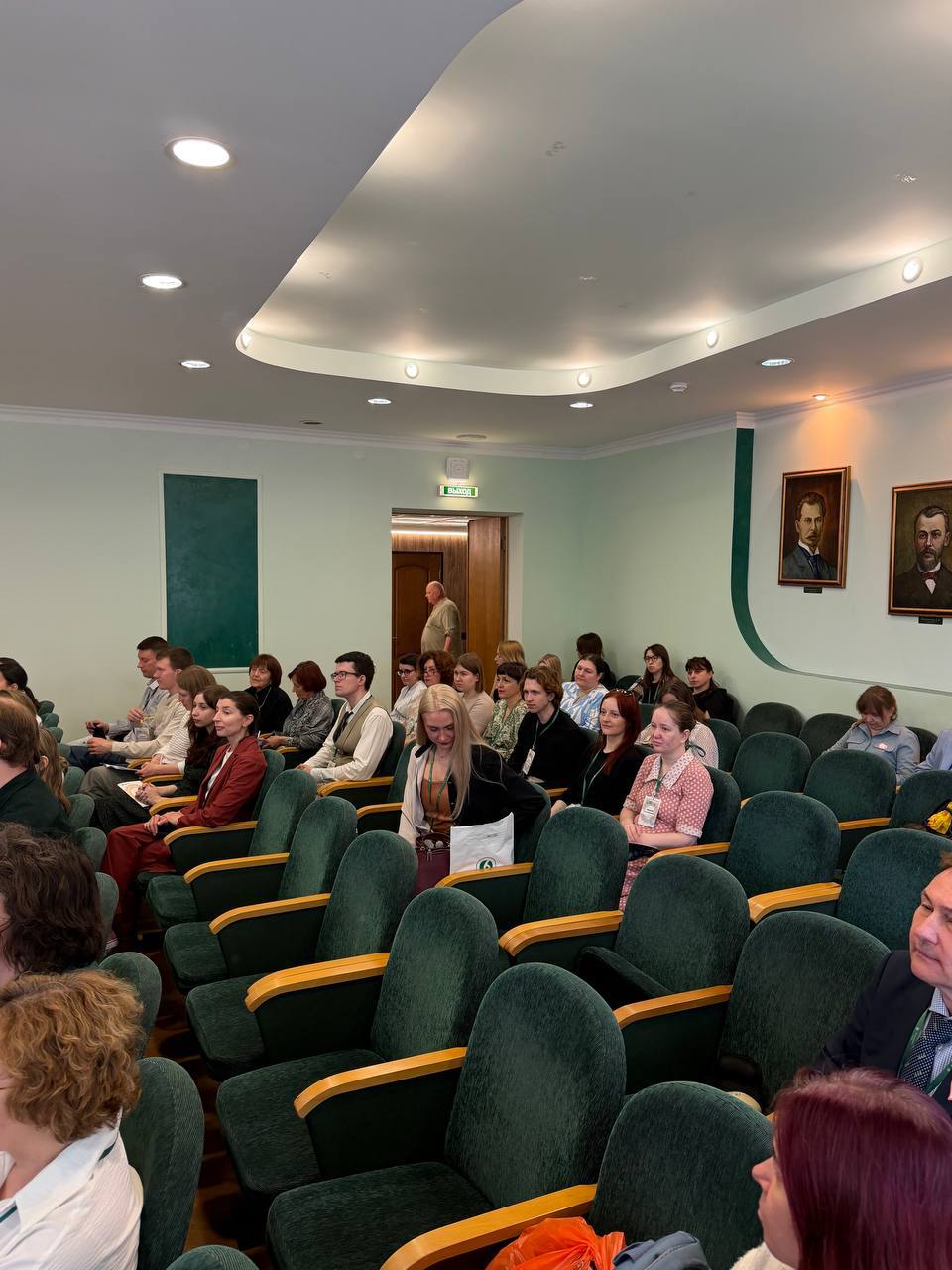
Around one hundred renowned scientists and young researchers from Belarus, Russia, and Kazakhstan are participating in the conference, who will discuss how agriculture, industry, and medicine are changing with the help of genetic technologies.
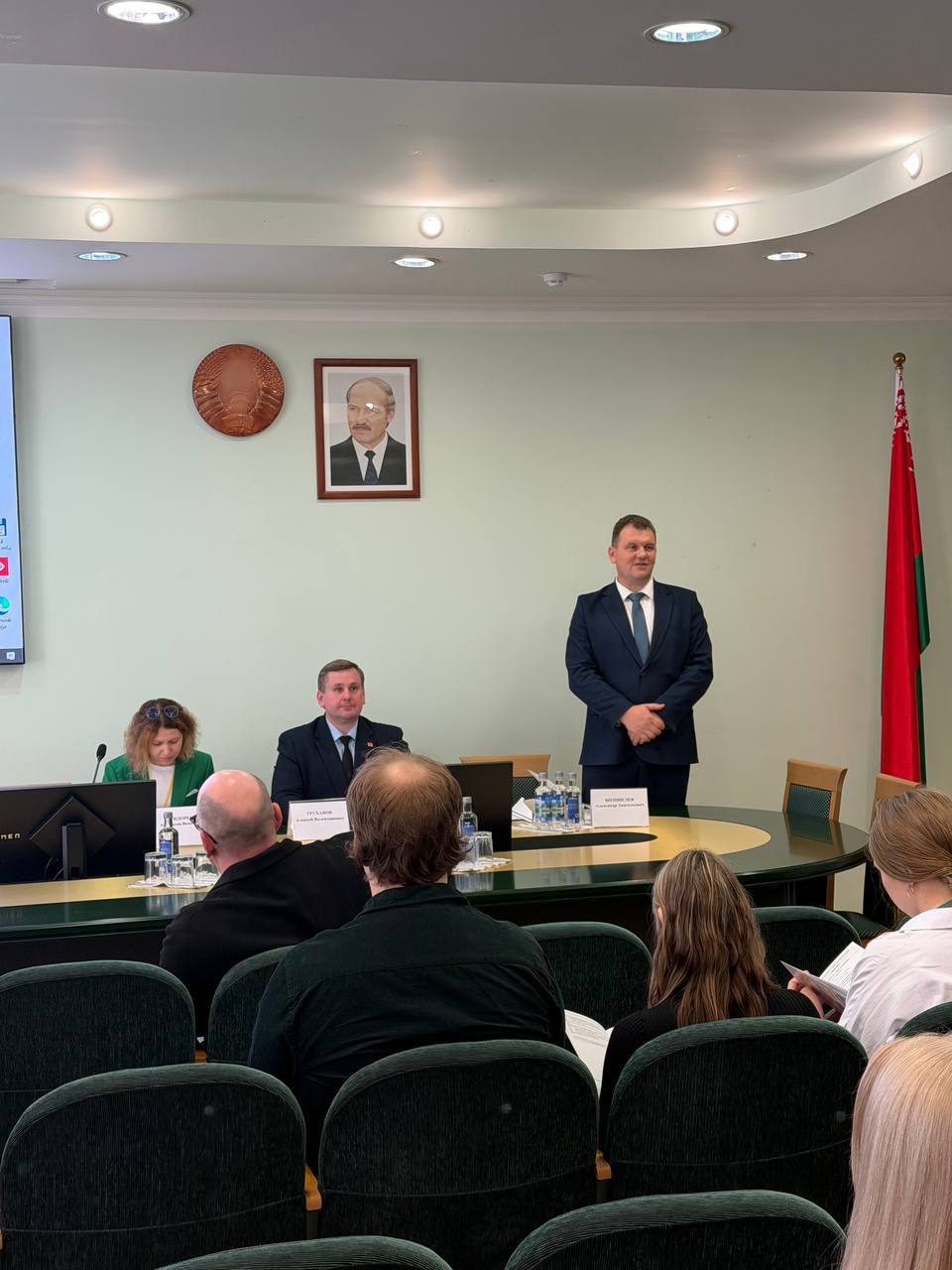
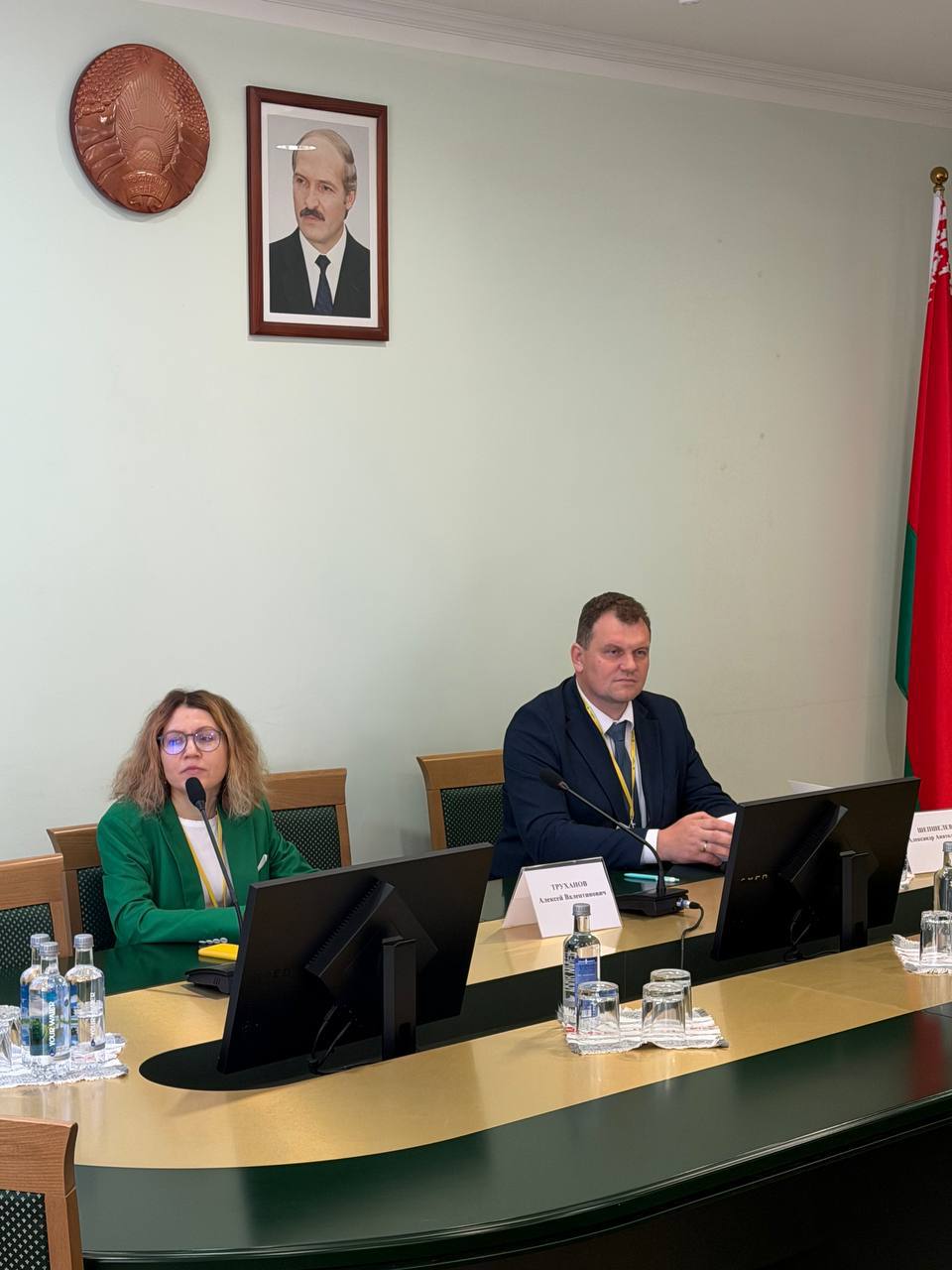
Deputy Chairman of the Presidium of the NAS of Belarus Alexei Trukhanov addressed the conference guests and participants with welcoming words. He stated that the tradition of holding scientific events at the Academy of Sciences' institutions, and in particular at the Institute of Microbiology, not only provides an opportunity to share knowledge and experience but also contributes significantly to the development of science and technology in Belarus.
"Conferences like these help strengthen scientific ties, stimulate new ideas and joint projects, and help solve pressing modern challenges. This is a special event that continually confirms the importance of scientific research for progress and prosperity," said Alexey Trukhanov.
The conference program includes more than 50 presentations across four sections: "Genomics of Microorganisms and Viruses"; "Metagenetic and Metagenomic Studies of Microbial Communities. The Microbiome of Humans, Plants, and Farm Animals"; "Genetic and Metabolic Engineering of Microorganisms. Legal Issues of Using Genetically Engineered Microorganisms. Biosafety"; and "Bioinformatics Tools for Analysis and Modeling of Biosystems."
During the conference, plenary and breakout sessions will focus on modern approaches to analyzing big biological data, new computational tools for studying genetic systems, and innovative strategies for developing biotechnological solutions.
At the conference, Belarusian researchers will present a computer model they developed for rapidly identifying bacteria and searching for more similar genomes in the GenBank database. The use of metagenetic and metagenomic research to study soil microbial communities, endophytic bacteria in agricultural plants, and the gut microbiota of animals and humans will also be discussed.