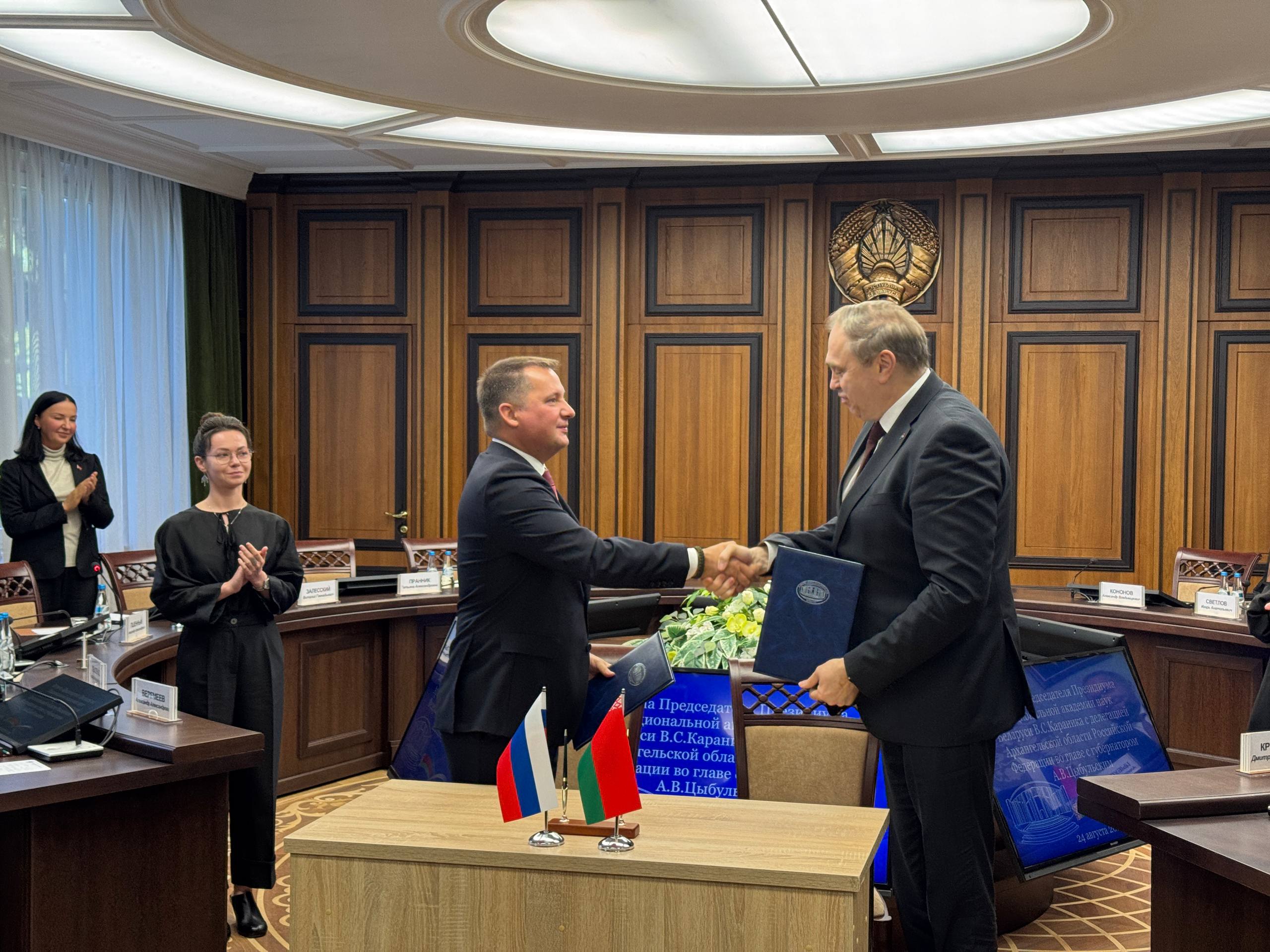
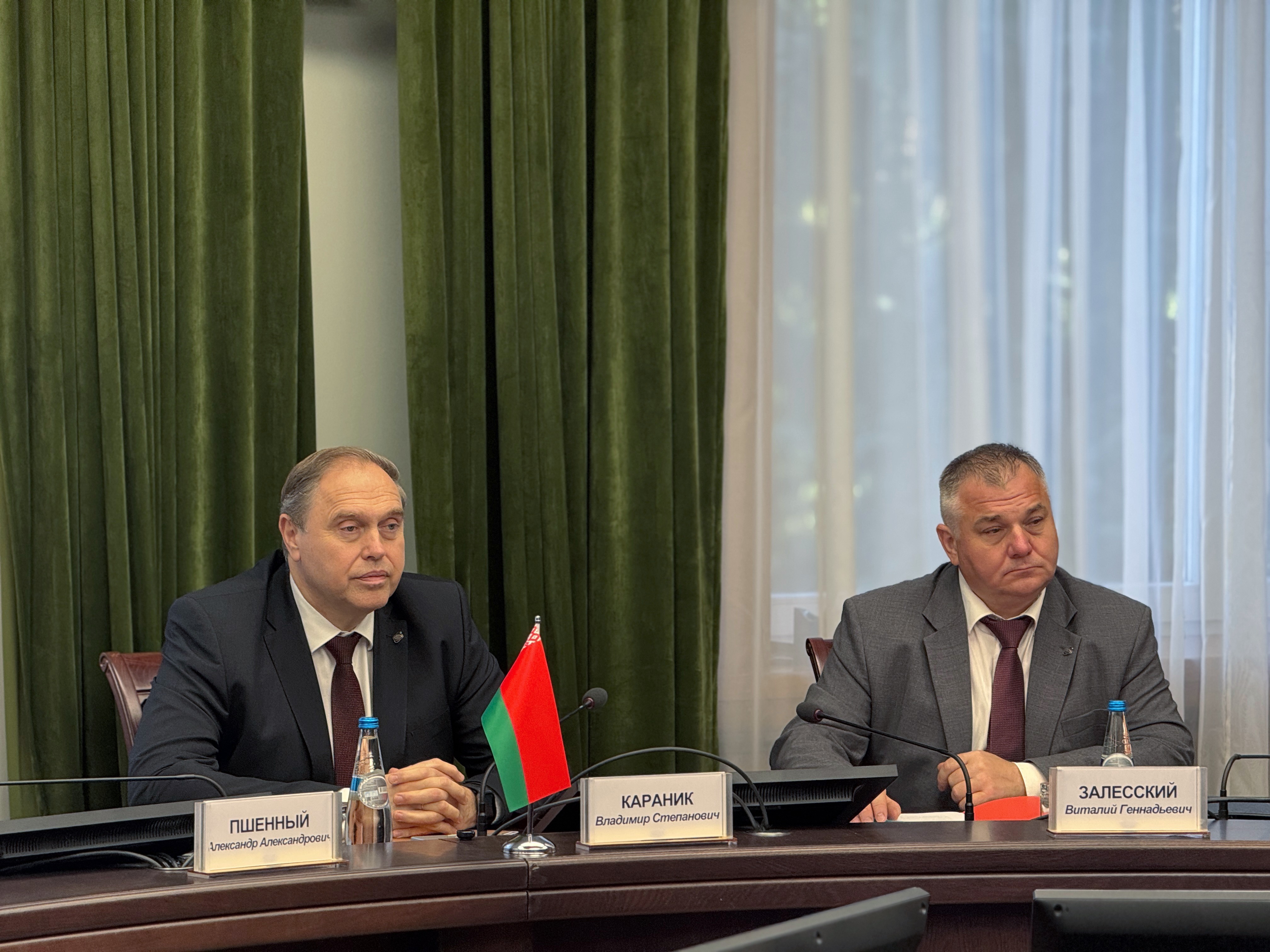
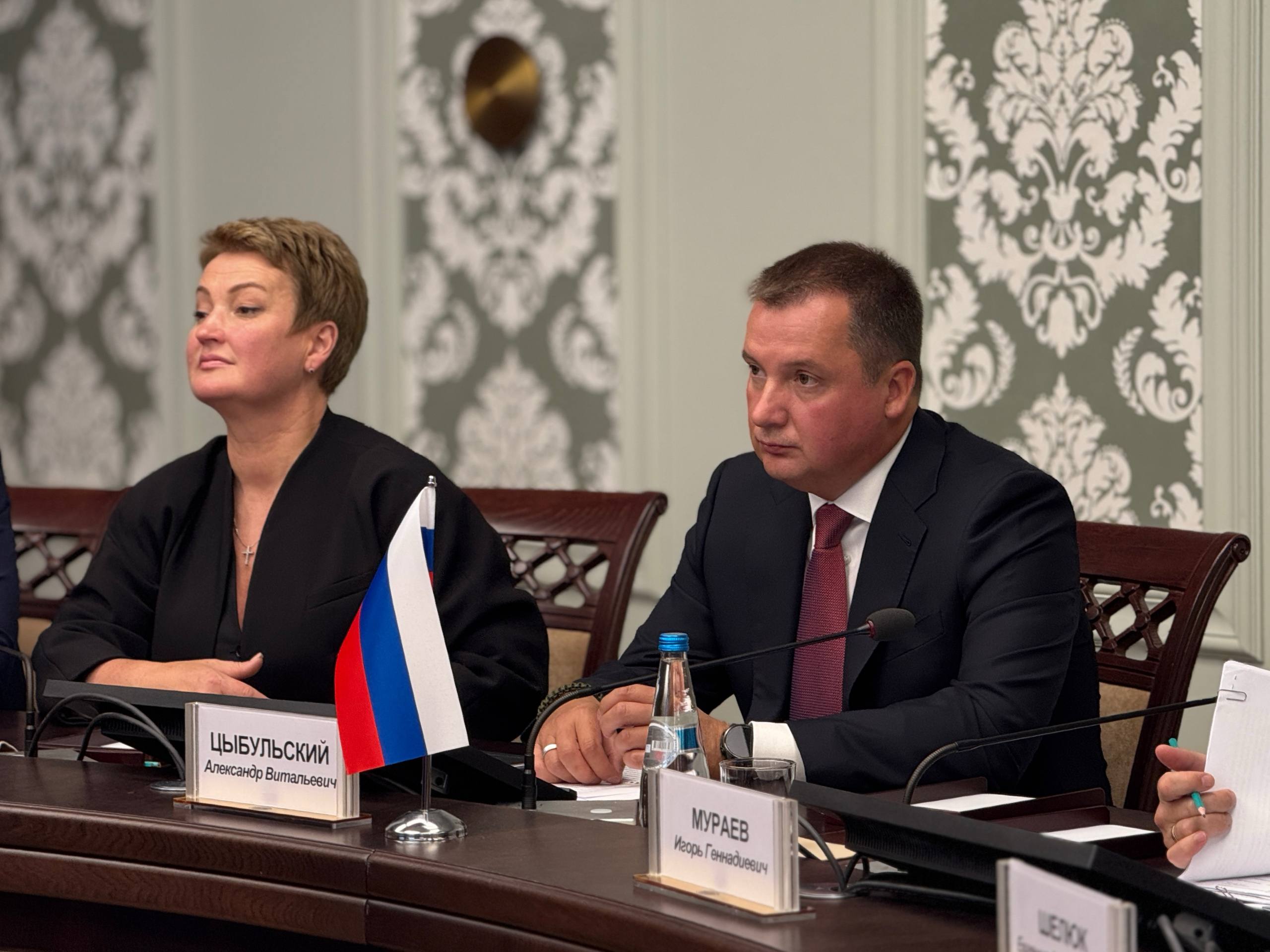
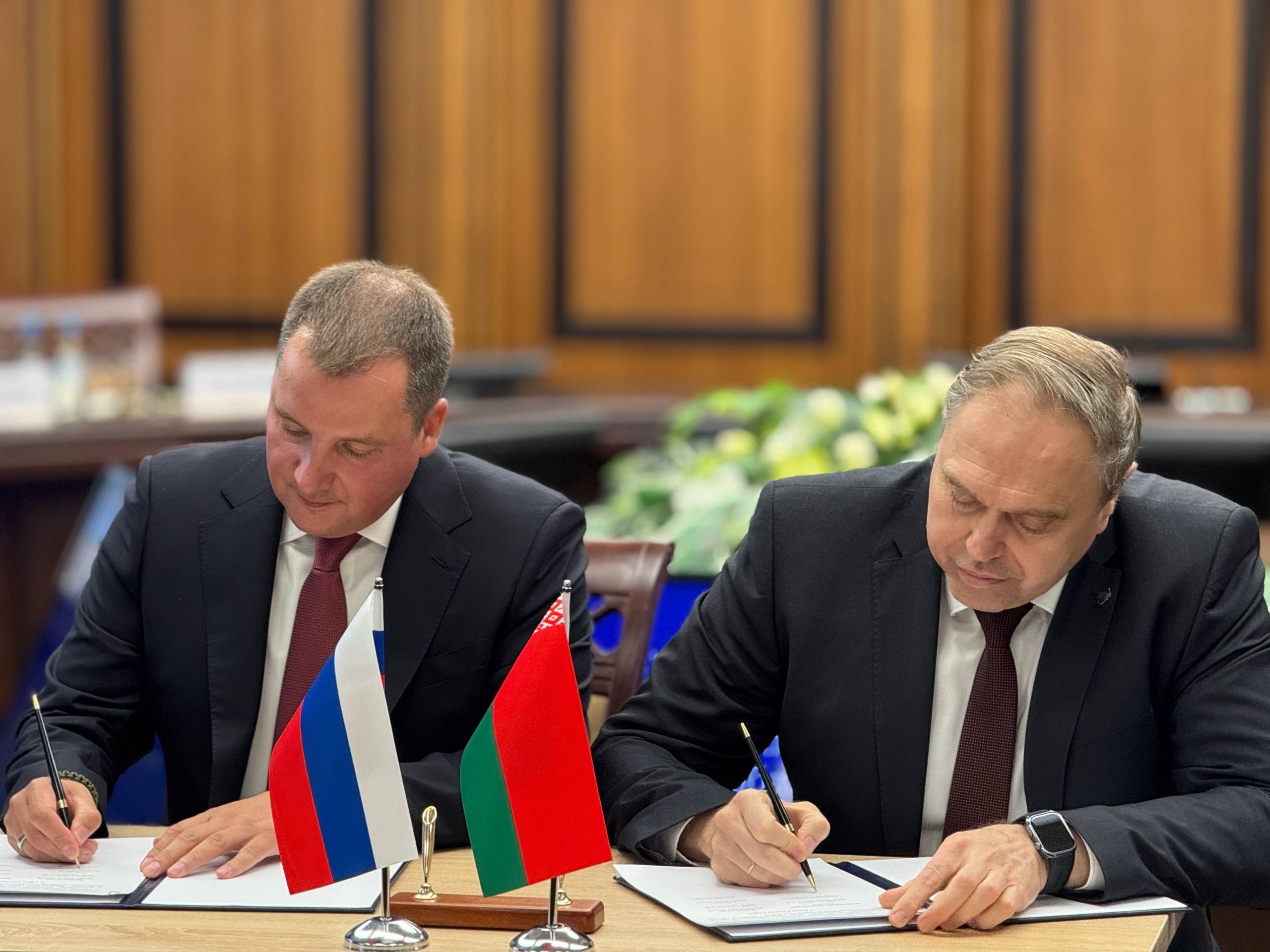
The document was signed by Vladimir Karanik, Chairman of the Presidium of the National Academy of Sciences, and Alexander Tsybulsky, Governor of Arkhangelsk Region.
The agreement lays a solid foundation for long-term cooperation in high technology, ecology and industrial production.
Key areas of cooperation cover forestry, including reforestation, afforestation, and advanced wood waste processing technologies; energy and ecology; new materials; chemical and biotechnology; agro-industrial and construction solutions; IT; medicine and pharmaceuticals.
"This reminds us that the primary task of each of us is to demonstrate a responsible approach to future generations and to pass on our beautiful, beloved, well-groomed Belarus in the form in which we know and love it," he said.
The document also provides for the creation of favorable conditions for the exchange of scientific knowledge and joint scientific research.
This primarily concerns the creation of joint scientific and educational structures, including laboratories and centers of excellence, as well as the training of highly qualified personnel. Furthermore, the parties intend to jointly participate in grant competitions and host international scientific forums, conferences, and workshops.
"Signing the agreement with the Arkhangelsk Region is not just a formality for us, but a strategic step. It's an opportunity to apply our expertise and implement joint projects with our Russian colleagues. Working in the Arctic is certainly a significant challenge, but it's precisely in these harsh conditions that our scientists are able to implement the most modern approaches to peat extraction and processing," said Vladimir Karanik.
The head of the Academy of Sciences also noted that Arkhangelsk region possesses great peat reserves. There is a common understanding with the Russian side that using it as fuel is, at the very least, outdated. Therefore, the goal is to focus on advanced processing and the creation of biotechnological products, including those with high added value.
A separate, important topic is reforestation in harsh climates. Belarusian scientists have accumulated extensive experience in developing plant varieties that successfully adapt to extreme conditions: low temperatures, moisture deficits, or saline soils.
"There are many more points of contact than meets the eye: from cellular technologies in medicine to complex mechanical engineering and ecology. Our main task now is to make this agreement a solid foundation on which our joint projects will grow and develop," emphasized Vladimir Karanik.