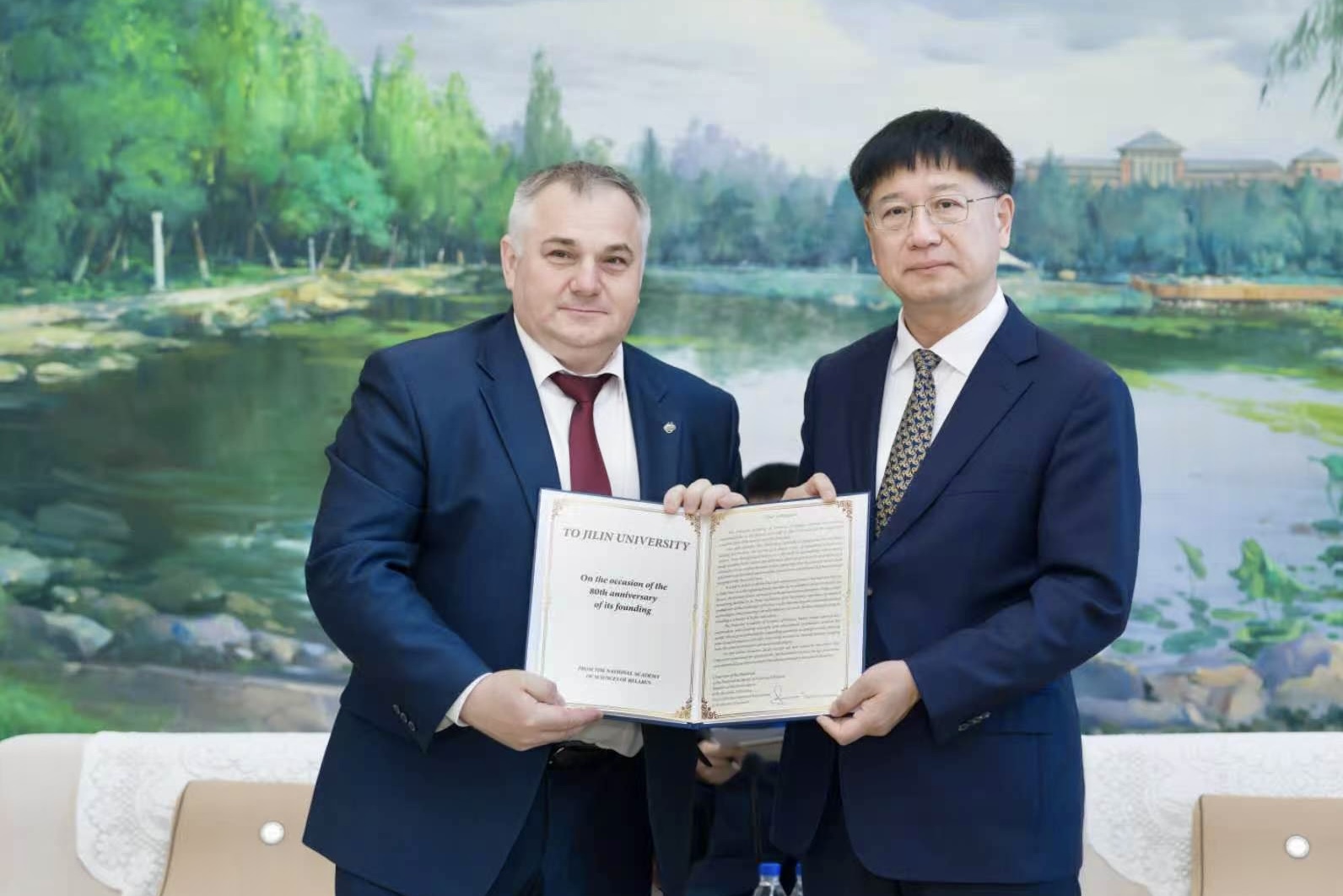
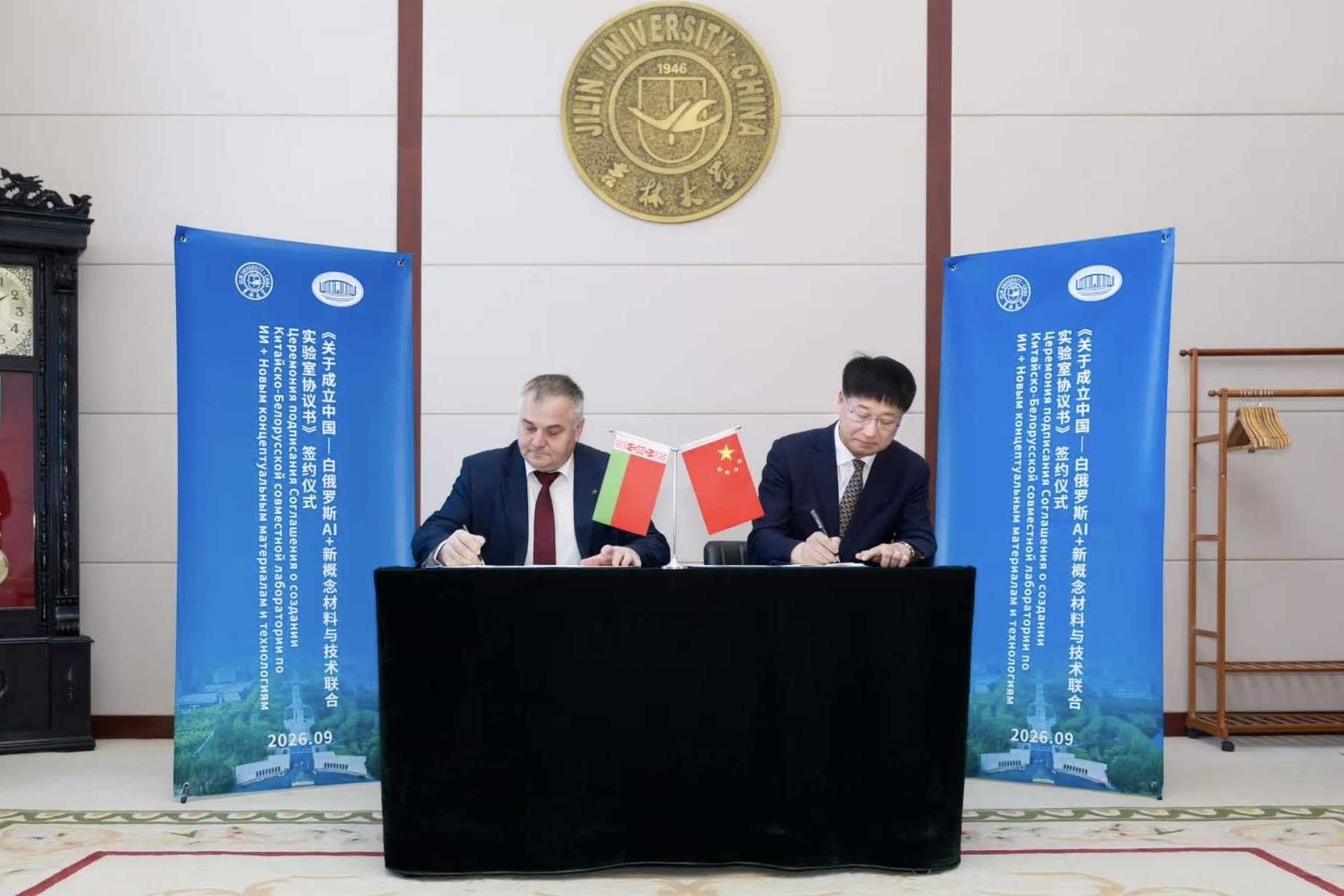
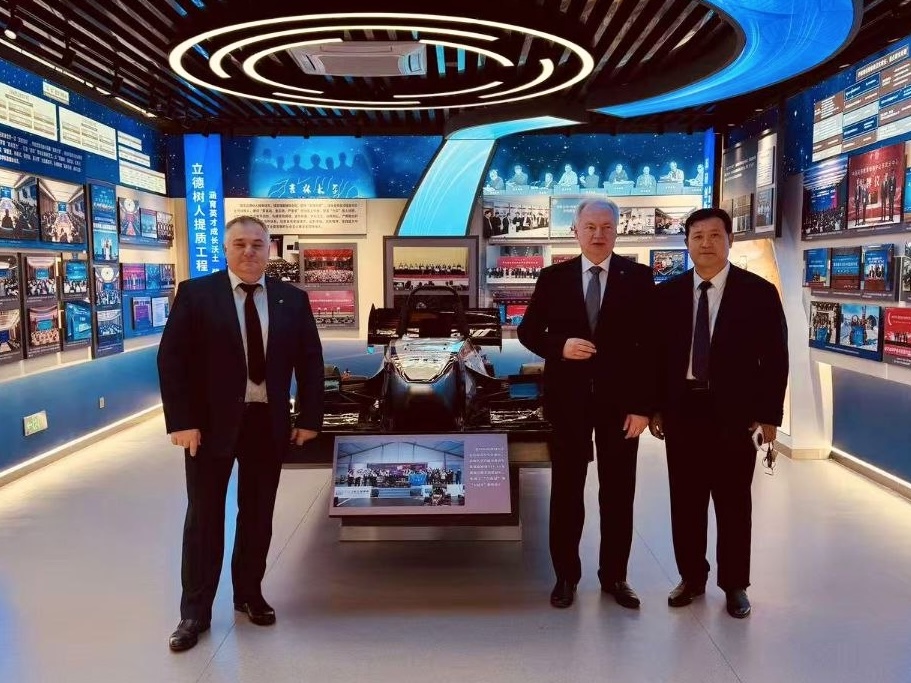
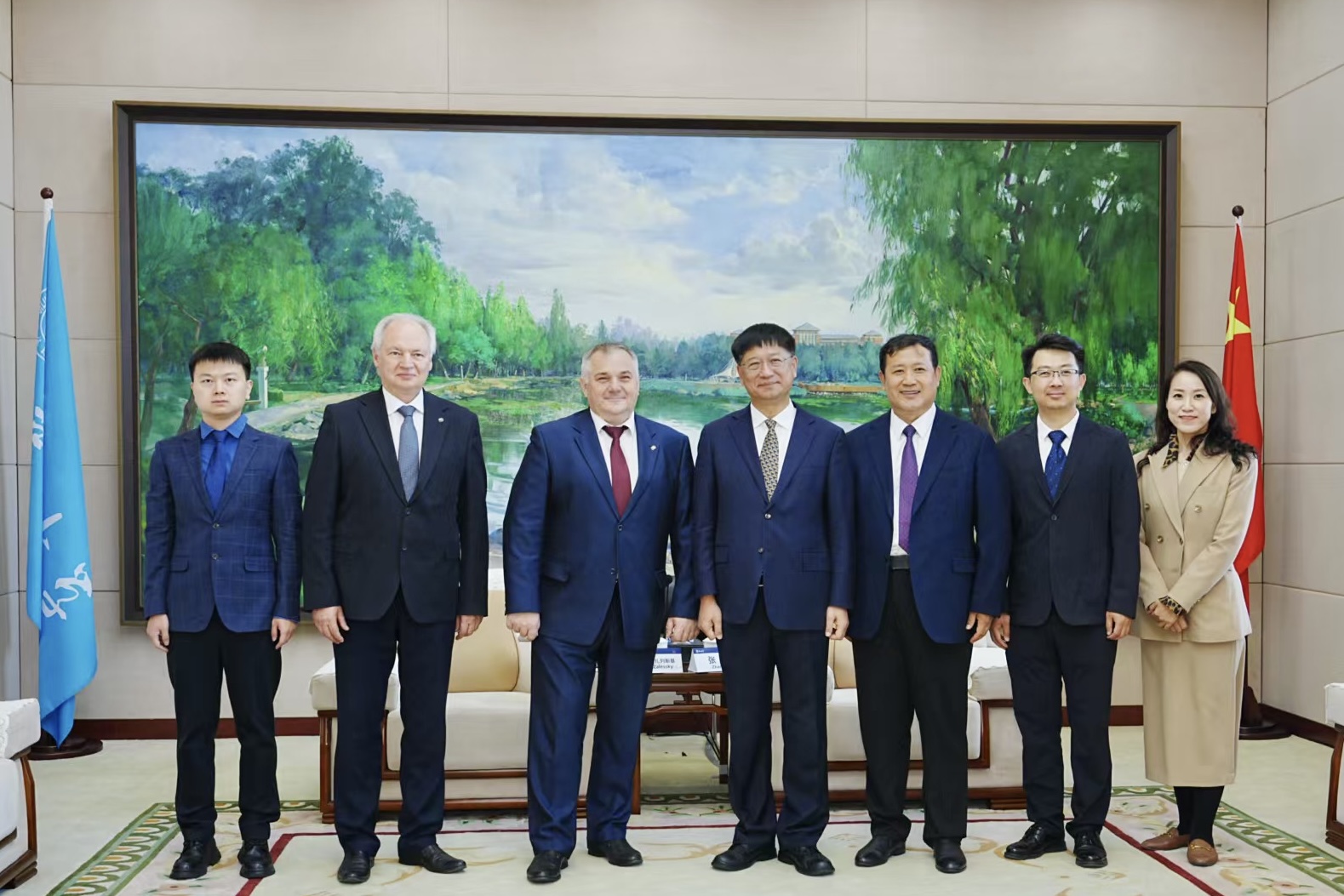
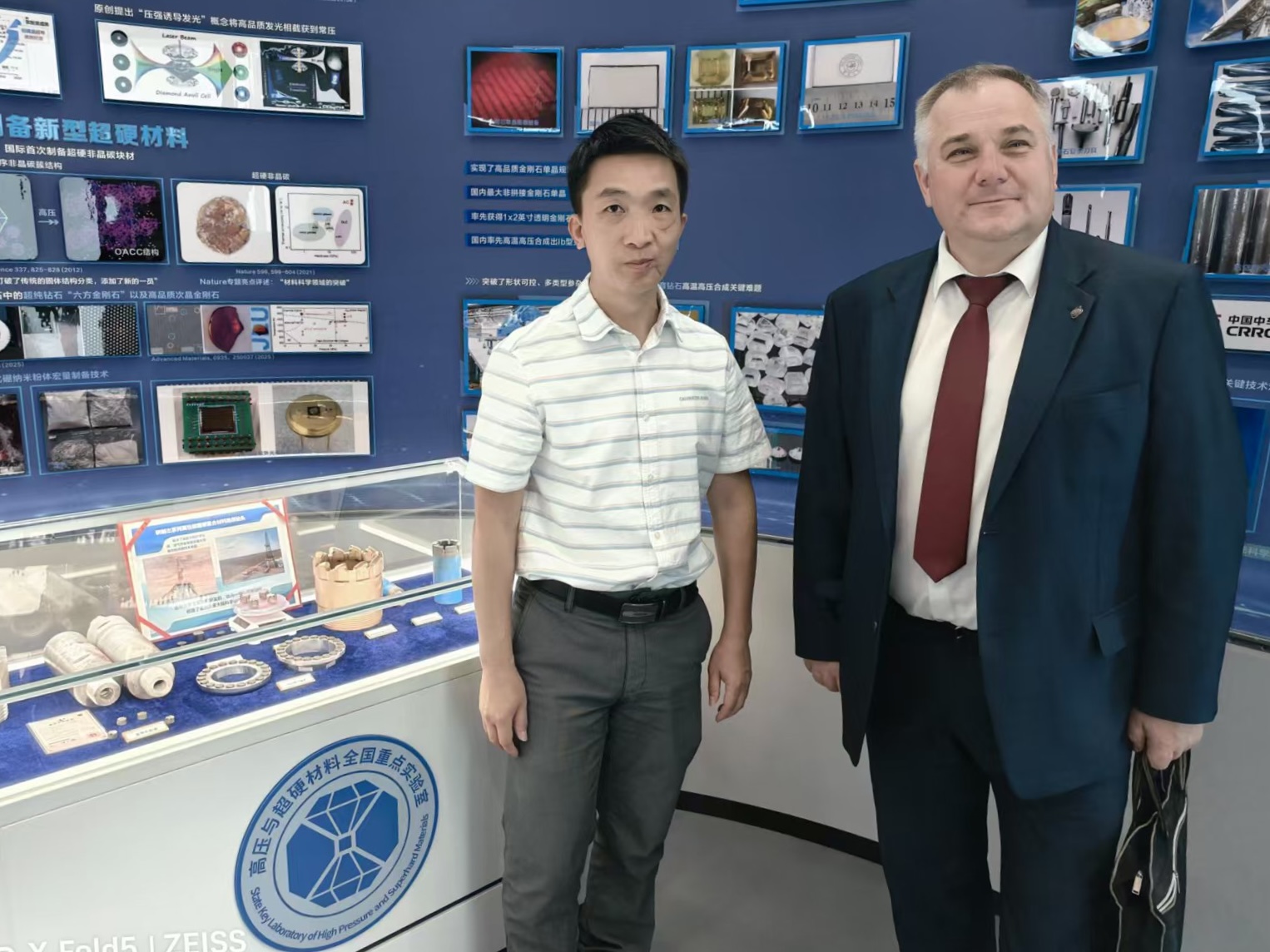
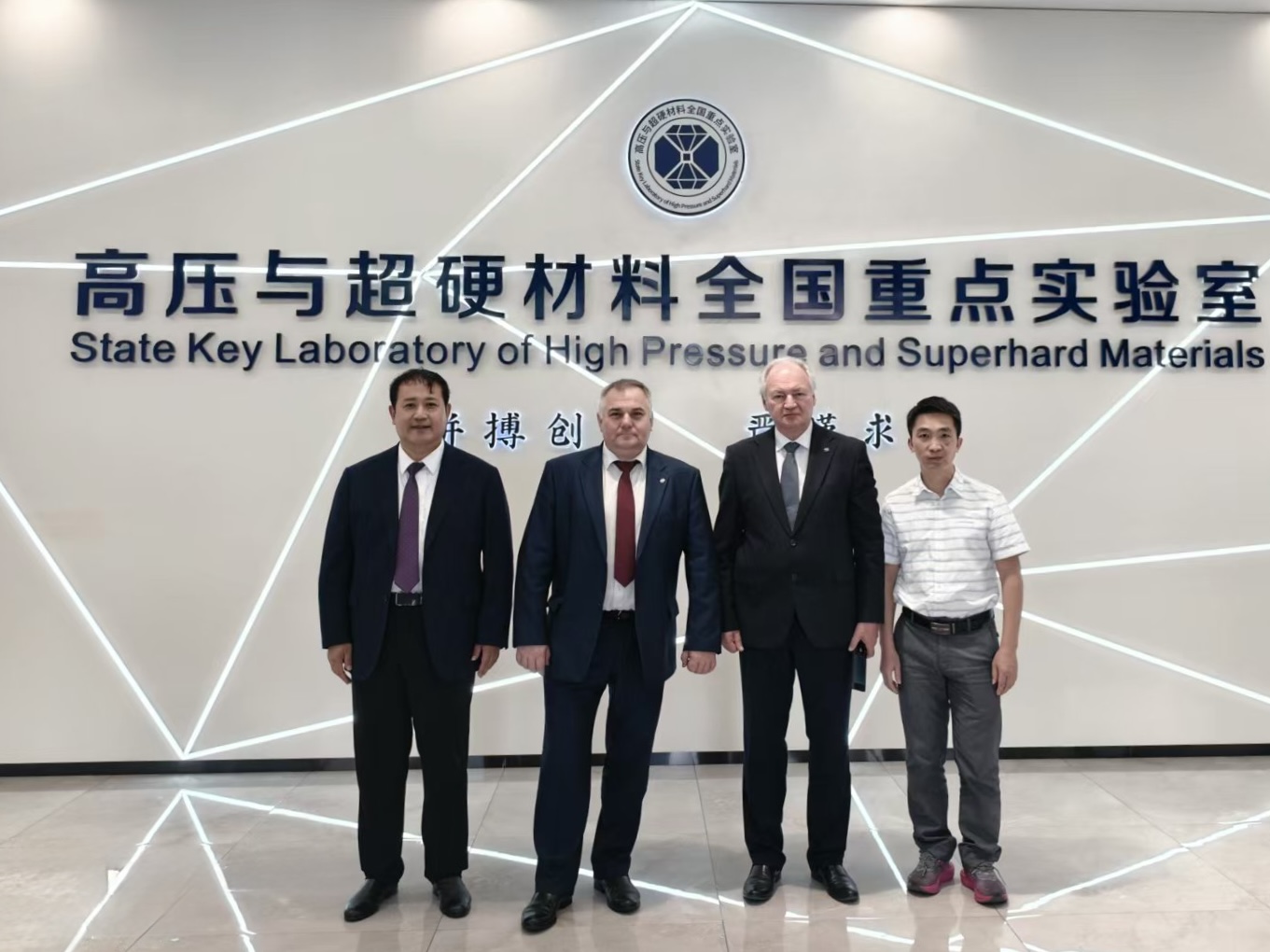
During a working visit to the People's Republic of China, Vitaly Zalessky, First Deputy Chairman of the Presidium of the National Academy of Sciences of Belarus, held a meeting with Zhang Xi, President of Jilin University.
A key outcome of the negotiations was the signing of an agreement to establish a joint Chinese-Belarusian laboratory for AI and new conceptual materials and technologies.
The new entity is designed to serve as a strategic platform for pooling the intellectual resources of both countries in cutting-edge scientific fields, such as AI and materials science, optoelectronics, advanced materials, biomedicine, mineral processing, laser physics, and others.
The project brings together leading scientific and academic institutions from Belarus and China.
On the Chinese side, the lead organization was the International Center of Future Science at Jilin University, with the participation of the relevant schools of chemistry, physics, artificial intelligence, materials science, and electronics, as well as the university's Second Hospital.
The Belarusian side is represented in the project by leading scientific institutions of the National Academy of Sciences of Belarus: B. Stepanov Institute of Physics (the lead organization), the Scientific and Practical Materials Research Centre, the Academician O. Roman Institute of Powder Metallurgy, the Institute of General and Inorganic Chemistry, and the Institute of Physiology.
As part of the laboratory's activities, Belarusian and Chinese scientists will focus on addressing challenges of critical importance to high-tech economic sectors.
Following the meeting with the President of Jilin University, Vitaly Zalessky emphasized that the signing of the agreement marked a significant step in strengthening bilateral relations, opening up new horizons for joint research.
"The establishment of this laboratory represents not merely scientific cooperation, but a powerful impetus for introducing innovations into the real economy. We are pooling our expertise to accelerate the way from laboratory prototype to high-tech product — one that is in demand in the markets of Belarus and China, as well as in third countries," he said.
On the first day of the visit, the Belarusian delegation led by Vitaly Zalessky also visited the Changchun Institute of Optics, Fine Mechanics and Physics (CIOMP) of the Chinese Academy of Sciences, with which it maintains close ties and fruitful cooperation.
In recent years, the parties have progressed from signing framework memoranda to implementing specific high-tech projects.
These include the supply of unique equipment for magnetorheological polishing, as well as the launch of new R&D projects in optics.
A landmark event took place on June 12, 2026, with the signing of an agreement on scientific cooperation areas for 2026–2030 between B. Stepanov Institute of Physics of the National Academy of Sciences of Belarus and the Changchun Institute of Optics, Fine Mechanics and Physics of the Chinese Academy of Sciences.
Furthermore, the cooperation plan between the National Academy of Sciences of Belarus and the Chinese Academy of Sciences for 2026–2027 includes the establishment of the China-Belarus International Innovation Center (SBIIC).
The workday concluded with an official reception hosted by the Vice Governor of Jilin Province for distinguished guests, focusing on the integration of science, education, and industry.
The event brought together representatives of the scientific community from Belarus, Italy, Switzerland, South Korea, Singapore, Lesotho, and other countries.
A special guest at the reception was Nobel Prize laureate in Physics Konstantin Novoselov, known for his groundbreaking research on graphene.
During these interactions, Belarusian experts held a series of productive discussions with their foreign counterparts, opening up new prospects for fruitful cooperation and new scientific contacts.
"The day was extremely busy and productive. We not only solidified the foundation of our cooperation with Chinese partners but also established important connections with leading Chinese scientists," Vitaly Zalessky commented on the results of the first day.