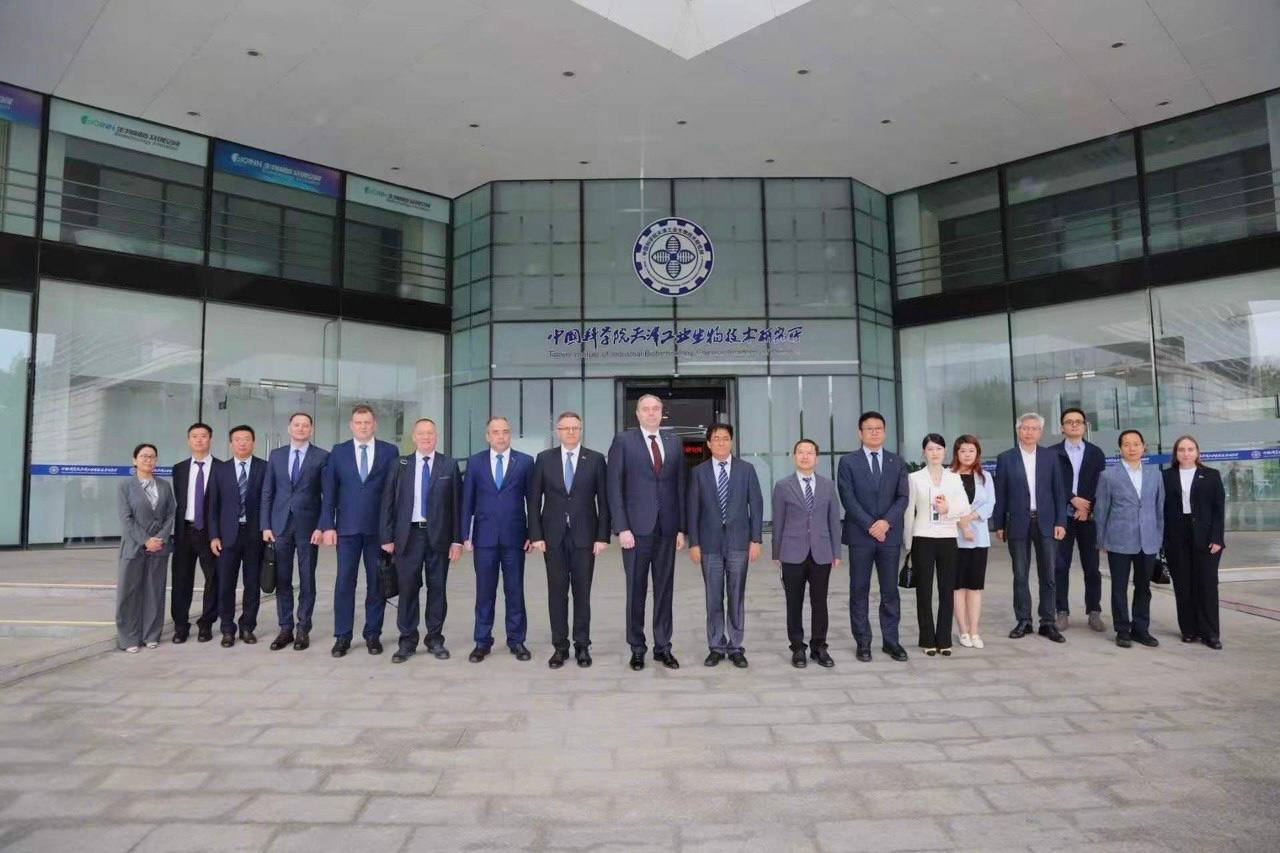
During his visit to the People's Republic of China, Vladimir Karanik, Chairman of the Presidium of the National Academy of Sciences of Belarus, met with representatives of the Institute of Biophysics and the Institute of Microbiology of Chinese Academy of Sciences (CAS). The main topic of the talks was strengthening the scientific partnership between the countries.
Particular attention was paid to the prospects for joint collaboration on cutting-edge microbial biotechnologies. Plans call for the development and implementation of innovative solutions to create modern biopharmaceuticals. This will involve advanced methods such as digital modeling of biological systems, including artificial intelligence, and comprehensive multi-omics analysis.
"These technologies can be successfully applied in a wide range of fields, including agriculture and forestry, the chemical industry, food and pharmaceuticals, and others," Vladimir Karanik emphasized. He also noted that Belarusian-Chinese cooperation between academic organizations opens up broad opportunities for knowledge and technology exchange, promoting scientific advancement and addressing pressing challenges in various sectors, particularly medicine and healthcare.
Belarus is interested in China's advanced experience in developing rapid testing systems. This applies to the diagnosis of both immunological and allergic diseases in humans and animals. An equally important area of cooperation is exploring innovative approaches to creating DNA and RNA vaccines, which open up new horizons for the prevention of a wide range of diseases.
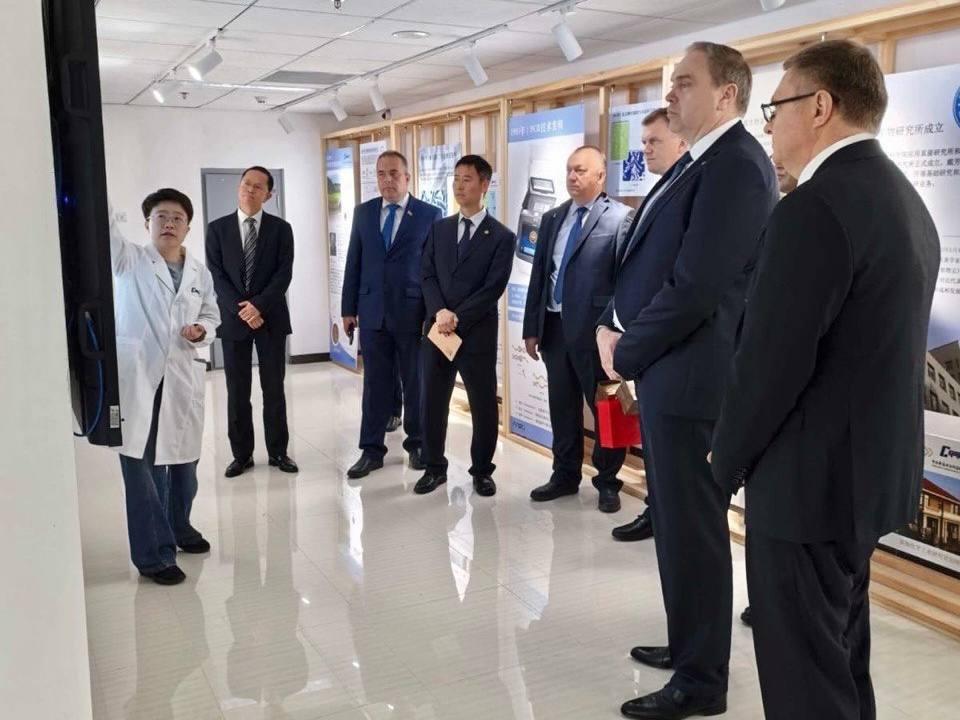
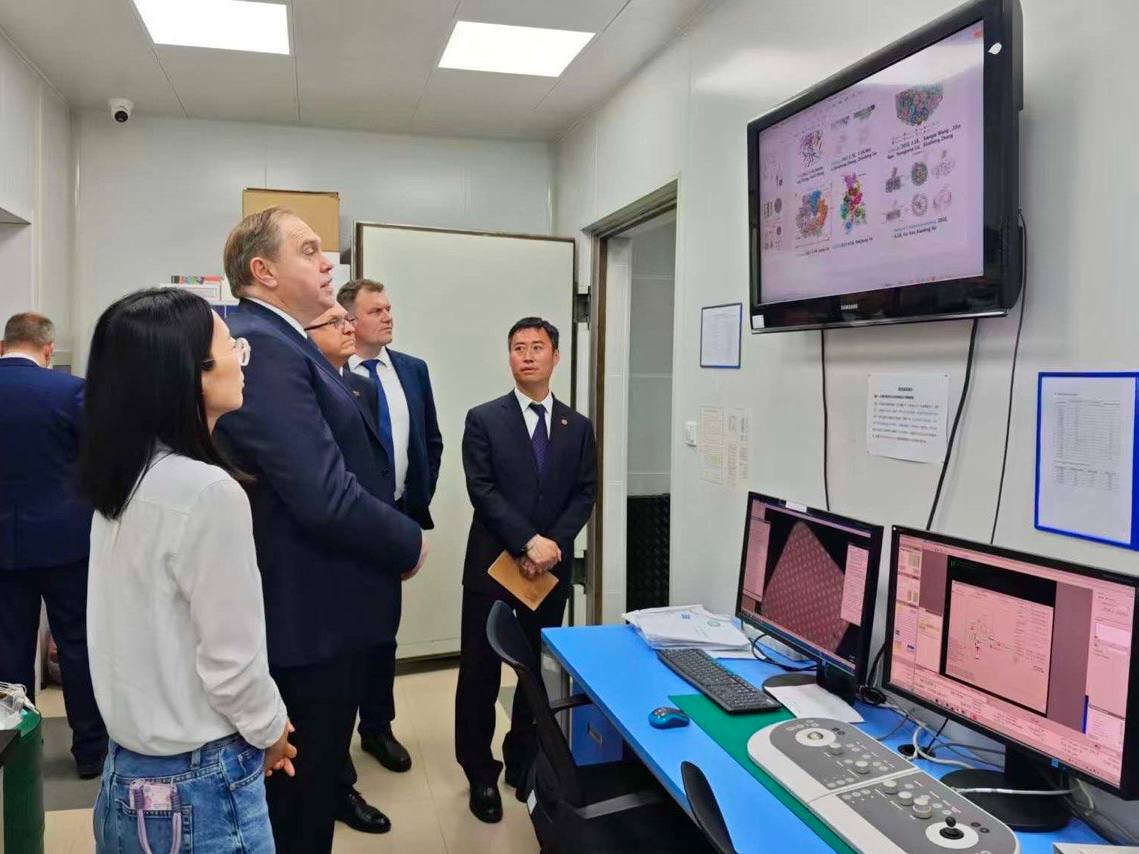
"Our visit to the Institute of Biophysics was very productive. We gained an understanding of key research areas and were able to personally observe the work of several laboratories. The field of protein engineering was of particular interest. Here, scientists use cutting-edge technologies, including artificial intelligence, to create new enzymes. These artificially designed proteins are capable of catalyzing reactions that do not occur naturally," said Vladimir Karanik. "A second important area of research involves studying methylation processes. This research is of great importance for reproductive medicine, as it aims to increase the success of IVF procedures, improving the chances of implantation and subsequent embryo development. We also learned about work on analyzing brain activity."
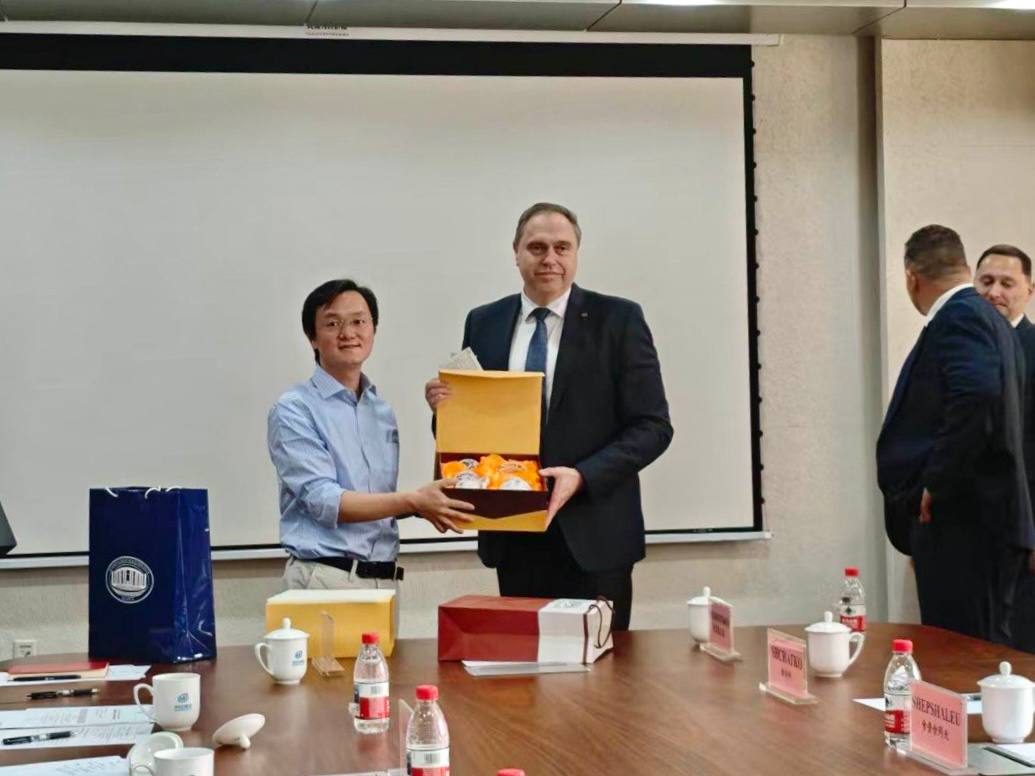
The head of the Academy of Sciences also reported that, following a meeting at the Institute of Microbiology, their Chinese colleagues proposed an initiative for Belarus to become a full member of the International Association of Microorganism Databanks. Furthermore, they are willing to assist our country in creating a catalog of economically valuable microorganisms, which will open up opportunities for their international distribution.