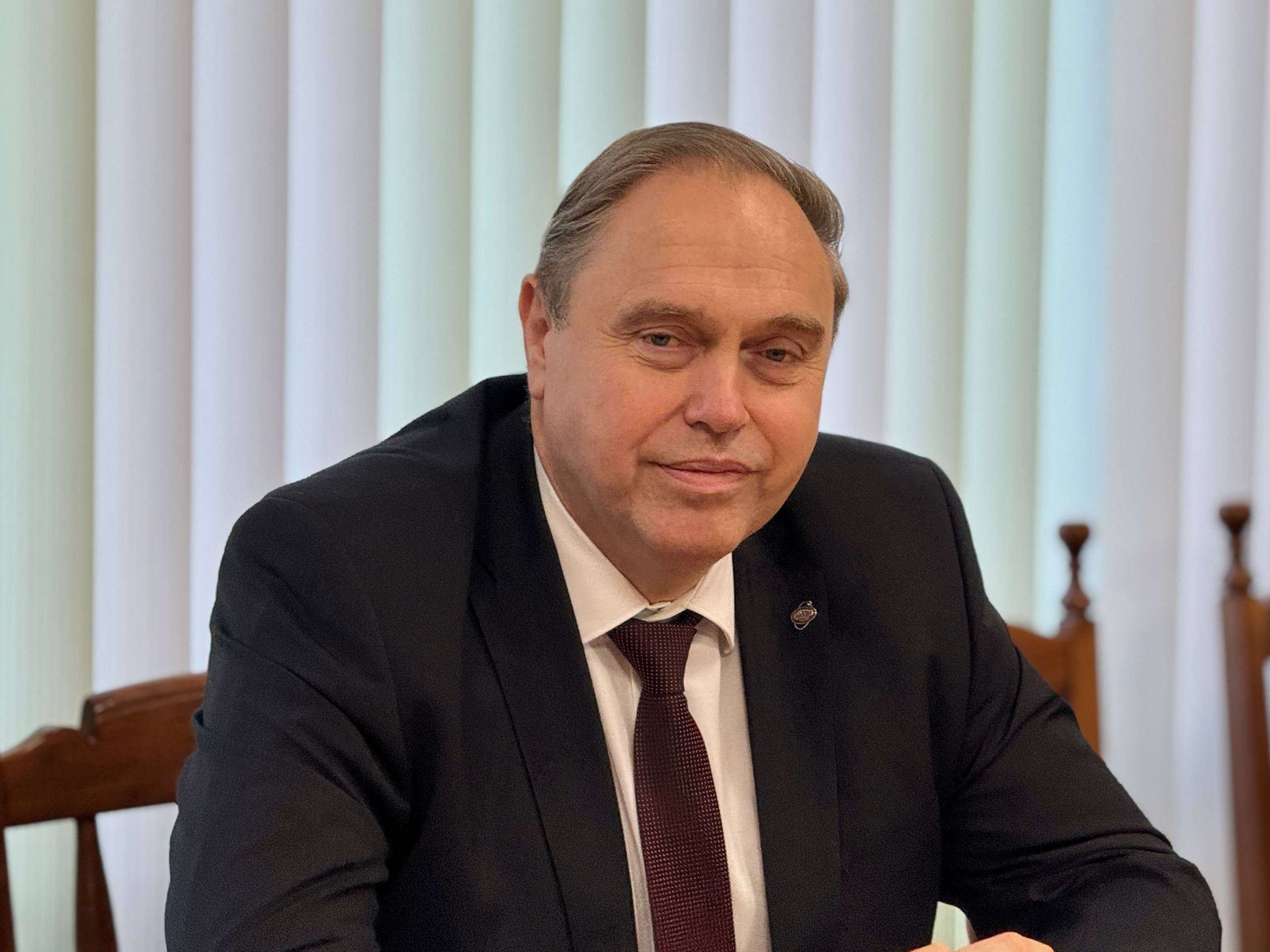
Vladimir Karanik: Belarus has demonstrated a state approach to environmental conservation
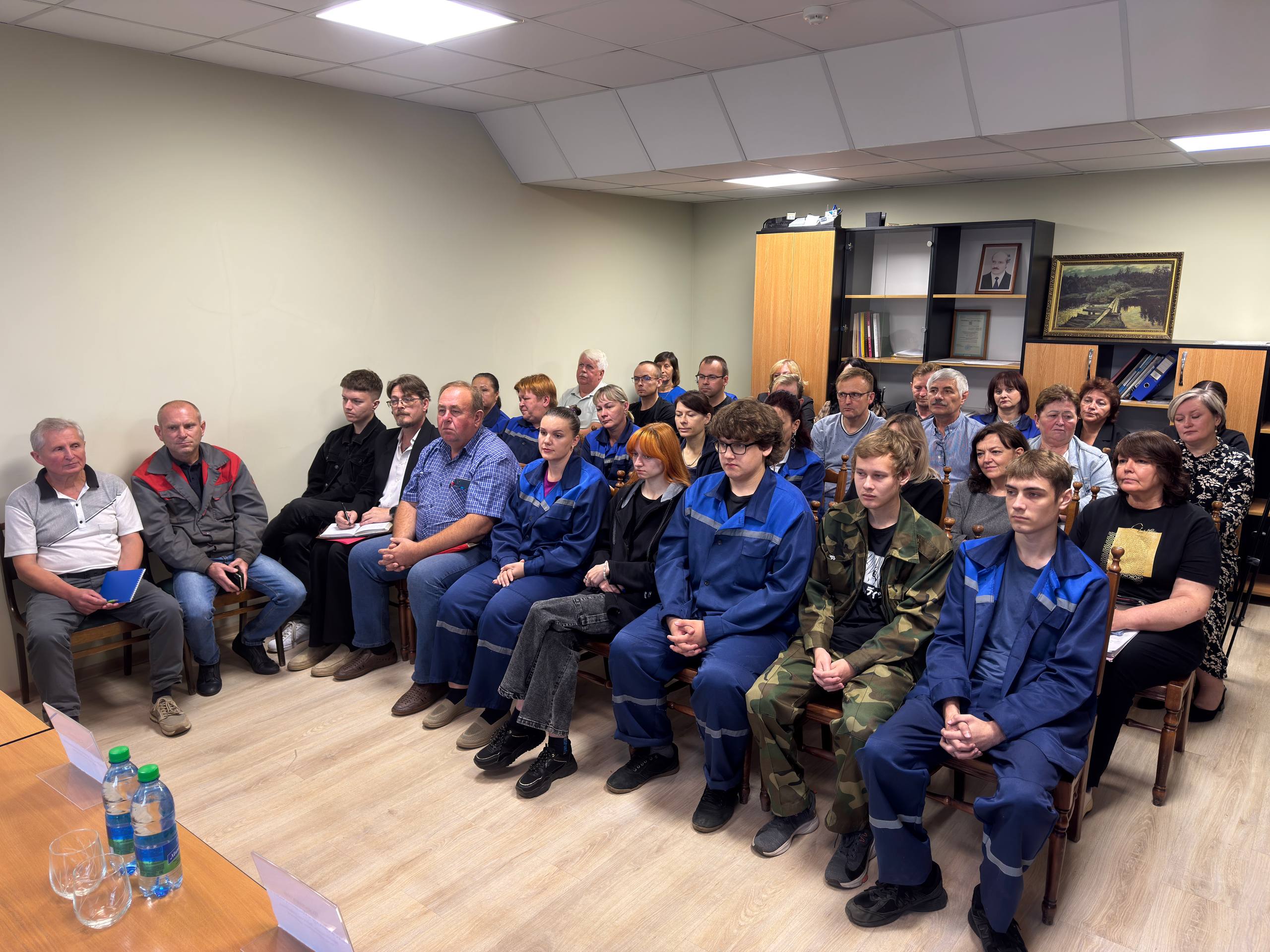
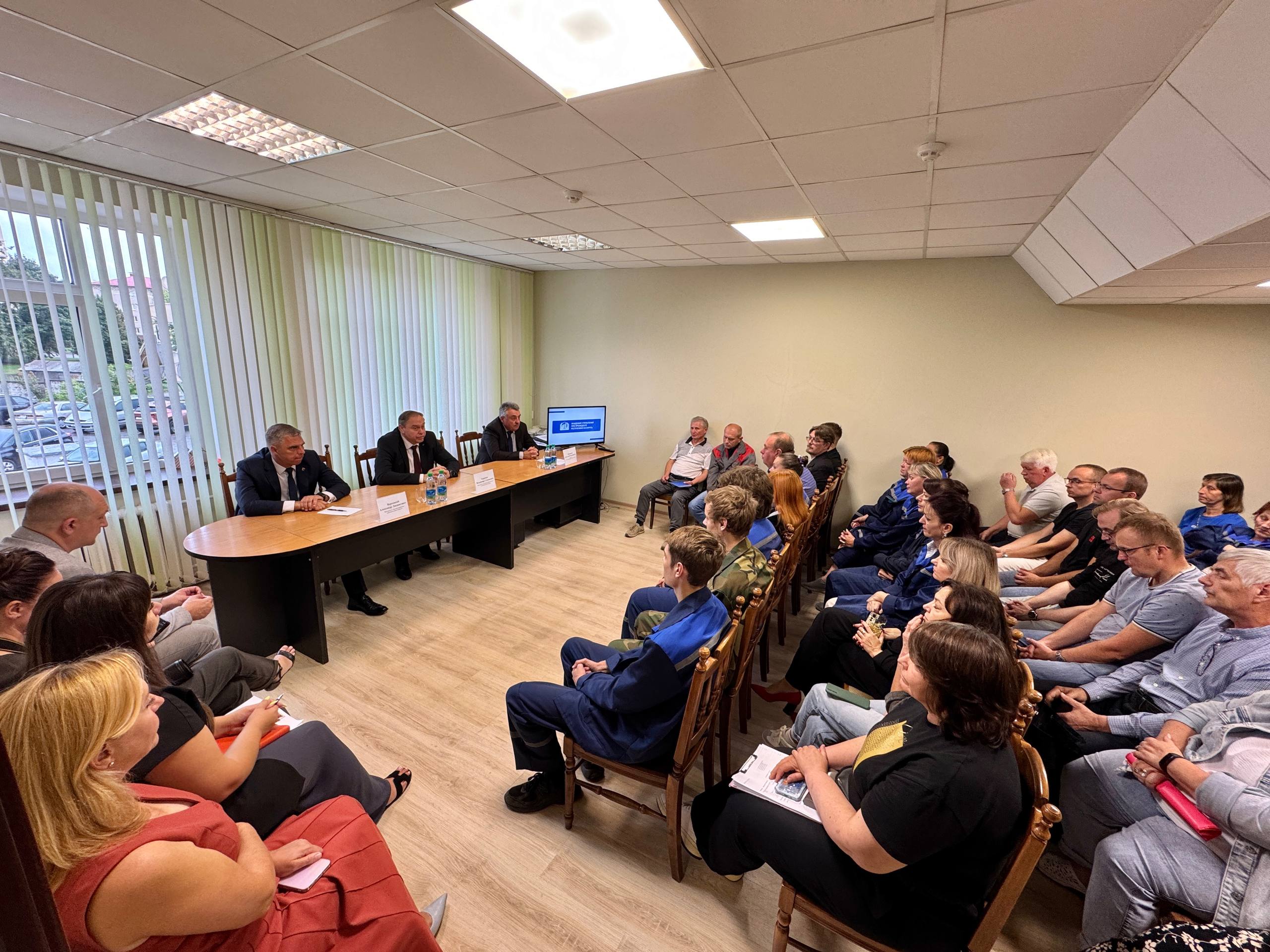
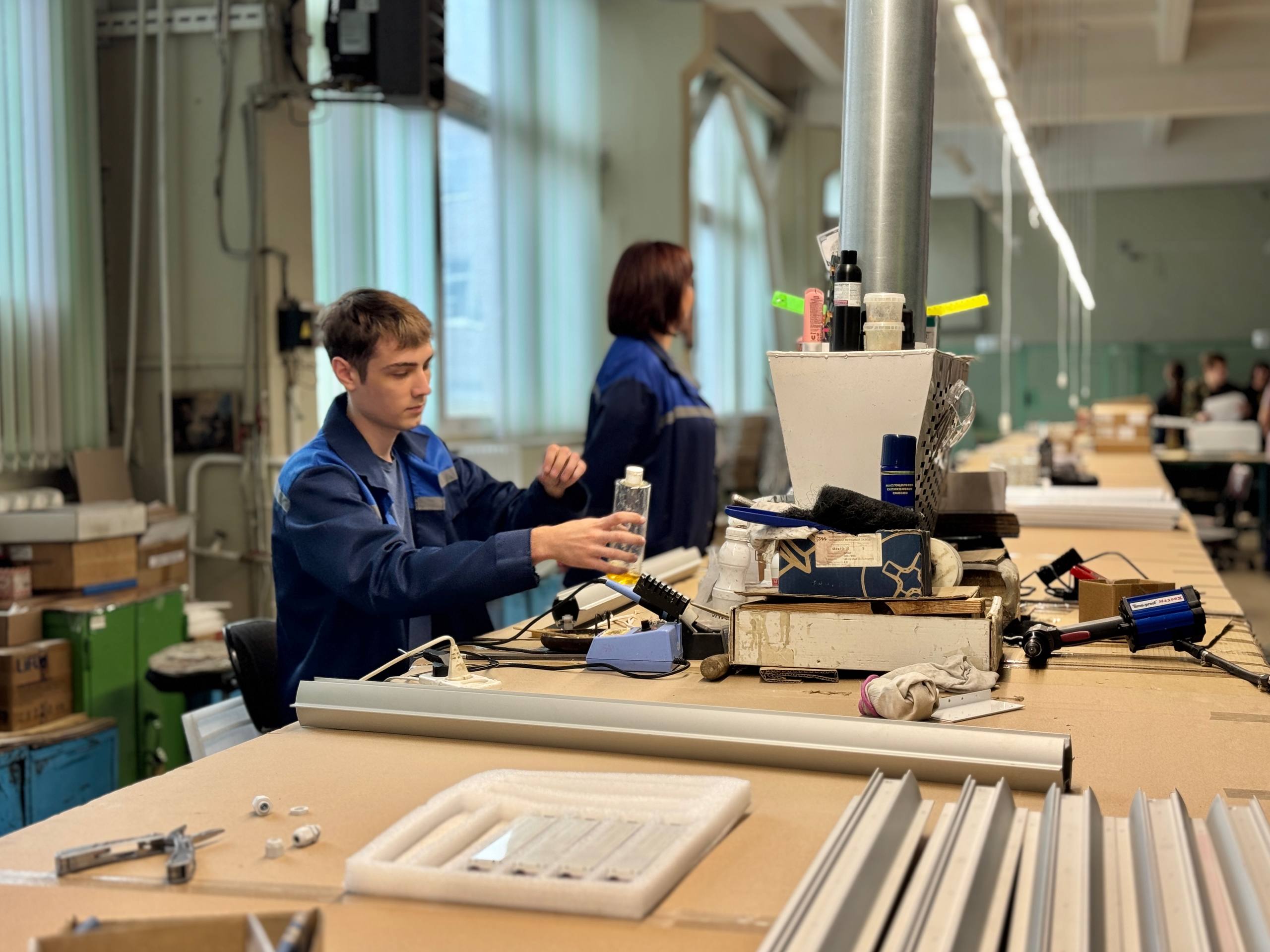
Environmental protection and safety were key topics during the meeting between the head of the National Academy of Sciences of Belarus and the management and staff of Lida Electrical Products Plant, which took place as part of a single information day.
Vladimir Karanik recalled folk wisdom:
"We didn't inherit this land from our fathers. We borrowed it from our grandchildren."
"This reminds us that the primary task of each of us is to demonstrate a responsible approach to future generations and to pass on our beautiful, beloved, well-groomed Belarus in the form in which we know and love it," he said.
And the results of this policy are visible in practice. More than 29 countries worldwide are facing catastrophic forest loss (a 90% reduction over the past 300 years). Belarus, by contrast, has increased its forest cover by more than 10% since independence. Waste management is also indicative. While many countries recycle only a small portion of their waste (5-10%), Belarus has reached 40%.
The head of the Academy of Sciences paid special attention to biodiversity. Today, as scientists around the world warn that the planet is experiencing a sixth mass extinction, Belarus is seeing the opposite trend: wild animal populations are growing.
The most illustrative example here is the story of the European bison, whose population was on the brink of extinction, but thanks to the efforts of the state and Belarusian scientists, this species of animal has been fully restored and is now in no danger of its continued existence.
"Ecology begins with each of us. Responsible consumption and a caring attitude toward nature are the key to the success, prosperity, and cleanliness of our country and the surrounding world," said Vladimir Karanik.